

M&A in the oil & gas sector
August 2026 | BRIEFING ROOM | MERGERS & ACQUISITIONS
Financier Worldwide Magazine

August 2026 Issue
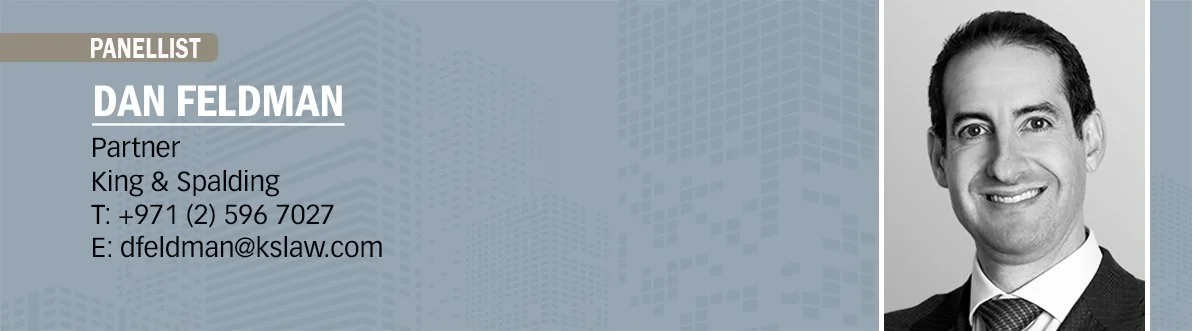
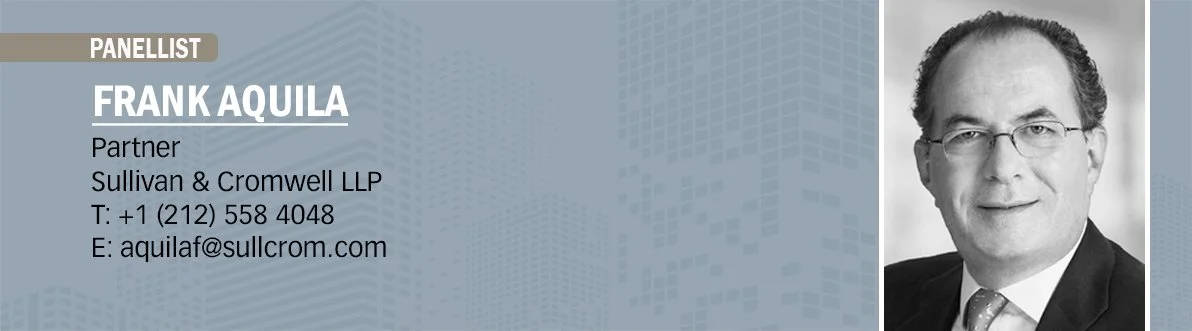
FW discusses M&A in the oil & gas sector with Dan Feldman at King & Spalding and Frank Aquila at Sullivan & Cromwell LLP.
FW: What do you see as the biggest forces shaping M&A activity in oil and gas today? Are we seeing a shift from broad consolidation to more selective, portfolio-led optimisation?
Feldman: The biggest forces shaping M&A activity in the oil & gas sector today, when you look at it globally rather than on a region by region level, are geopolitical. From the second half of 2026 forward there will be a mix of growth-focused transactions and a substantial defensive element to the investment choices players make, as producers and customers seek to secure barrels along trade routes insulated from transport and other risks while also ensuring that energy investments align with foreign policy trends in an increasingly destabilised global environment. The issues around energy security and the recent difficulties accessing reliable barrels from traditional sources in the Middle East and Russia are to the US’ benefit. That is also going to drive outsized growth and transactional activity there, but also in Europe especially, where there is likely to be a pivot to more business with the US energy industry and new supply chains being set up. We are also seeing overall energy demand increase due to AI data centre infrastructure development, which will drive a new cycle in both M&A and greenfield activity.
Aquila: Both scenarios are happening, and the sequencing matters. The 2023-25 megadeal wave – including Exxon/Pioneer, ConocoPhillips/Marathon, Chevron/Hess and Diamondback/Endeavor – was about securing tier-one inventory and scale. That play is largely over. What has replaced it is a disciplined ‘value over volume’ mandate prioritising cash flow and shareholder returns. So yes, we have shifted decisively toward selective, portfolio-led optimisation: mid-cap, synergy-driven combinations like SM Energy/Civitas, and a divestiture pipeline as acquirers shed non-core acreage to cut leverage. The forces underneath are capital discipline, a structural bid for gas and liquified natural gas (LNG) and, the genuinely new variable, artificial intelligence (AI) and data centre power demand reframing gas as a balancing fuel for the digital economy. The era of chasing barrels is finished. This is about positioning.
FW: How are companies balancing short-term returns with long-term strategic positioning?
Aquila: This is the central tension, and the market has forced a posture. Many large producers now target payout ratios above 50 percent, leaving limited flexibility for transformative deals. Capital returns have risen to nearly match M&A spend. That is the short-term discipline shareholders demanded after a decade of value destruction. But the smartest operators are not choosing one or the other, they are using structure to do both. Nearly half of M&A by value now runs through equity exchanges rather than cash, which preserves balance sheet capacity while still positioning for the long game. And the long game is increasingly clear: gas, LNG and infrastructure with contracted, long-duration cash flows. The discipline is real, but it is discipline in service of selectivity, not retreat.
Feldman: In addition to the trends around capital discipline and capital sourcing, there is a realignment of longer term priorities going on at present, with investment assumptions about geopolitics, climate and global supply and demand all shifting rapidly. In view of this, it is natural to expect strategic positioning to play a bigger role in decision making than short-term returns which might be riskier. That might mitigate a little against the trend to more immediate results from deals in places more affected by the geostrategic volatility than the US is.
“Strait of Hormuz disruption risk and fractures within OPEC+ have reinforced expectations of higher for longer prices, which is precisely what is incentivising North American consolidation and infrastructure investment.”
FW: How are national oil companies and state-backed capital reshaping deal dynamics? What role does energy security now play?
Feldman: National oil companies (NOCs) and state-backed capital play a massive role, and this will increasingly be the case. We expect NOCs and their partners to be investing heavily in reinforcing alliance-related relationships around the world and in diversifying supply chains and logistical strategies to avoid future disruptions to their own ability to produce and deliver to customers. Similarly, we are going to see state-backed capital from energy importing countries deployed to support strengthening and diversifying their own supply routes. We are seeing this especially in the LNG market of course, where Middle Eastern sovereign capital has been ramping up investment, but also in downstream sectors where the ADNOC-Covestro deal, for example, shows an ongoing willingness to make large strategic plays.
Aquila: NOCs and sovereign capital have moved from passive partners to architects of deal structures. Aramco’s $11bn lease and leaseback of its Jafurah gas assets with a Global Infrastructure Partners-led consortium is the template: monetise infrastructure, retain control and bring in patient capital. OMV and ADNOC combining assets to create BGI shows the same ambition at scale. These players underwrite differently: longer horizons, strategic rather than purely financial returns. Energy security now sits at the centre of every conversation. Strait of Hormuz disruption risk and fractures within OPEC+ have reinforced expectations of higher for longer prices, which is precisely what is incentivising North American consolidation and infrastructure investment. Security of supply is no longer a policy footnote, it is a deal thesis.
FW: To what extent are energy transition pressures influencing divestments and portfolio design?
Aquila: The influence is real but pragmatic, not ideological. The European majors – Shell, BP and TotalEnergies – are divesting refining and upstream while investing in LNG and renewables, which is portfolio design in its purest form. What is striking is the discipline cutting in the other direction too: facing return pressure, companies are exiting early-stage low-carbon projects misaligned with near-term return thresholds. Transition has become a lens for portfolio shaping rather than a mandate to decarbonise at any cost. The reputational stigma around hydrocarbons has receded, generalist capital has returned and boards are underwriting transition assets on the same return discipline as everything else. The result is a more honest portfolio conversation – assets are kept or sold on economics and strategic fit, not narrative.
Feldman: Energy transition pressures still exist but have weakened since the supply shocks of the pandemic in 2020 and the Ukraine invasion in 2022. Of course, we have seen the pullback by majors stung by the shareholder response to dilution of earnings by some of these types of investments. Recent events in the Gulf will maintain this trend. We do not necessarily predict accelerating divestments, but we do see ongoing experimentation by the majors in making investments in alternative investments in addition to conventional portfolio expansion, rather than instead of it, provided that there is enough demand and a stable regulatory framework, both of which remain challenging.
FW: How are valuation gaps being bridged in practice, through structures like earn-outs and partnerships?
Aquila: Commodity volatility is the root problem. With Brent forecasts ranging anywhere from $55 to $80-plus depending on geopolitical assumptions, the bid-ask spread widens, processes take longer and more deals fail to close. Practitioners bridge it three ways. First, contingent structures, earn-outs and commodity-price-linked adjustments that let buyer and seller agree to disagree on price decks. Second, equity-funded deals, where stock-for-stock lets the seller share in upside and synergies rather than crystallising a contested cash value. Third, partnerships. Strategic corporate joint ventures, including strategic and private equity structures, are a growing feature of upstream, alongside lease and leaseback arrangements. The common thread is risk-sharing: when a number cannot be agreed, align incentives on the outcome instead.
“We expect energy transition related investments to continue alongside this new cycle in the conventional sector, but not necessarily to increase pace.”
FW: What new risks – geopolitical, regulatory, integration, and so on – are most shaping how oil & gas deals are structured and executed?
Feldman: Geopolitical and regulatory risks are shaping deal processes and structures more than any other at present. It is difficult to price and allocate risk around assets at the moment, and we may see deal timelines prolonged and additional elements of conditionality built in. We are now thinking about how to manage and structure around risks that, a year or two ago, just were not being thought about. At the same time, there is still a real desire to move things forward and a good level of risk appetite. We are seeing a lot of interest in managing impacts of European Union methane regulations on upstream operations, for example, as well as some interesting early thinking in upstream concession structuring around managing the sorts risks we have recently seen on the security side – making sure that, if there are logistical or other issues, then there are pathways to mitigating them built into the documents.
Aquila: Four risks in particular stand out. Geopolitical risk is now priced into underwriting, not appended as a disclaimer. Hormuz disruption and OPEC+ fragmentation directly move price decks. Regulatory and antitrust risk has teeth: the Chevron/Hess arbitration over Guyana pre-emptive rights stalled that deal for nearly two years, a reminder that contract architecture and consent rights can be more decisive than headline price. Fiscal risk matters too. The UK’s Energy Profits Levy continues to suppress North Sea dealmaking. And tariffs on steel and aluminium have raised capital and operating costs, complicating synergy models. Integration risk compounds all of it. At megadeal scale, the value is realised, or lost, in execution. Smart structuring now frontloads diligence on these, rather than treating them as post-signing problems.
FW: In your opinion, are we entering a new cycle for oil and gas M&A – or a continuation of existing trends?
Aquila: I see a continuation, but evolving into something distinct, not a fresh megadeal supercycle. The transformative upstream consolidation is largely complete; the next frontier is precision, not scale. What I would watch is the broadening: deal flow is spreading across gas, LNG, midstream and services, with 2026 positioned as a potential breakout year for gas-related activity. The real structural shift is the energy and technology convergence – hyperscalers contracting directly with producers for dedicated power, in arrangements that look more like infrastructure deals than commodity trades. For a sustained pickup, we need a demand catalyst or a clear strategic realignment. Absent that, capital discipline keeps outweighing otherwise favourable conditions. So same discipline, new battlegrounds. The thesis has moved from barrels to positioning.
Feldman: I do think we are entering a new cycle where we expect trade flows and related investments to have repriced geopolitical and logistical risks, which will make investments that might previously have seemed redundant or overvalued now of more interest to strategic players. These players will want to increase and diversify their reserves and routes to markets, which will involve extensive upstream and midstream activity. We expect energy transition related investments to continue alongside this new cycle in the conventional sector, but not necessarily to increase pace – investments will occur when lower carbon sources of energy are able to replace conventional sources more cheaply or reliably, and therefore make economic sense irrespective of their environmental advantages, or when they align with governments’ international environmental obligations. We have entered a new cycle in the power sector which is driving a lot of gas and nuclear investment in the US. We have been seeing an enormous increase in behind the meter greenfield development work and linked M&A. That is going to continue at least a few years in the absence of some black swan event that hits confidence in the underlying AI story.
Dan Feldman leads King & Spalding’s energy team of over 350 lawyers. His practice spans the full energy value chain, including oil & gas across upstream exploration and production, midstream transportation and storage, and downstream refining and marketing, as well as energy transition projects and transactions. He advises on complex transactions and projects worldwide, representing corporates, governments and financial institutions, and is widely recognised by leading legal directories and industry publications. He can be contacted on +971 (2) 596 7027 or by email: dfeldman@kslaw.com.
Frank Aquila is Sullivan & Cromwell’s senior M&A partner and has served the firm in numerous senior management positions, including as a member of the management committee, as global head of the M&A practice and as co-managing partner of the general practice group. As a leader in his field, he has advised numerous clients in many of the largest and most important global transactions that have been transformational across a range of business sectors. He can be contacted on +1 (212) 558 4048 or by email: aquilaf@sullcrom.com.
© Financier Worldwide