

Special committee investigations in bankruptcy
September 2026 | BRIEFING ROOM | BANKRUPTCY & RESTRUCTURING
Financier Worldwide Magazine

September 2026 Issue
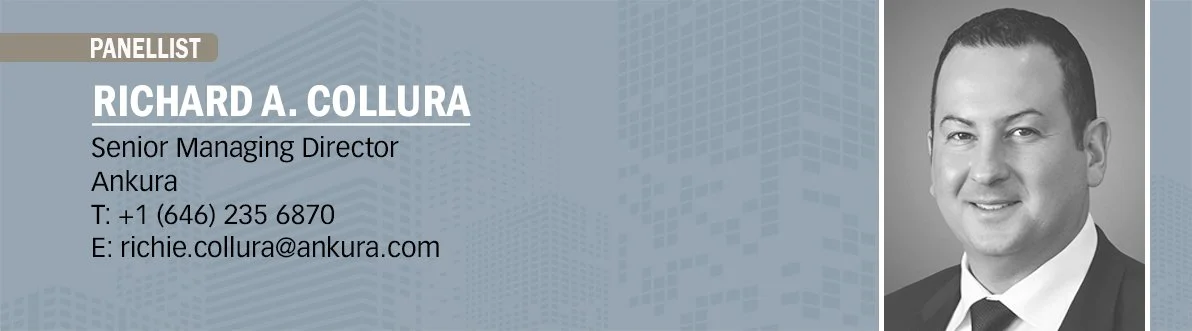
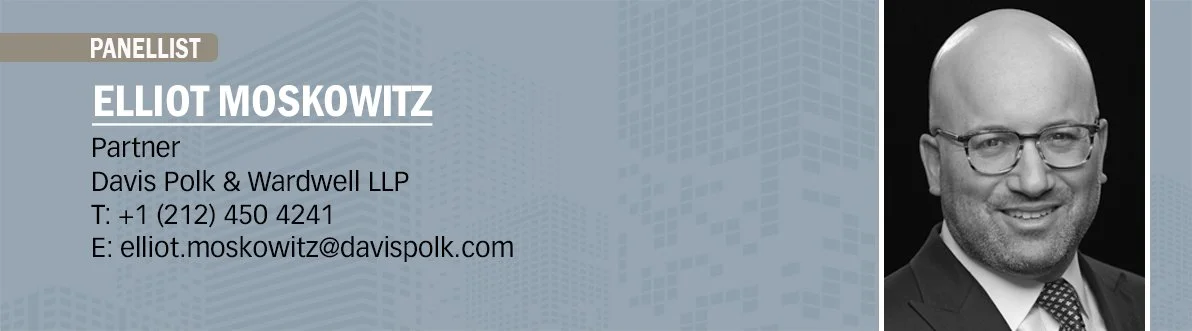
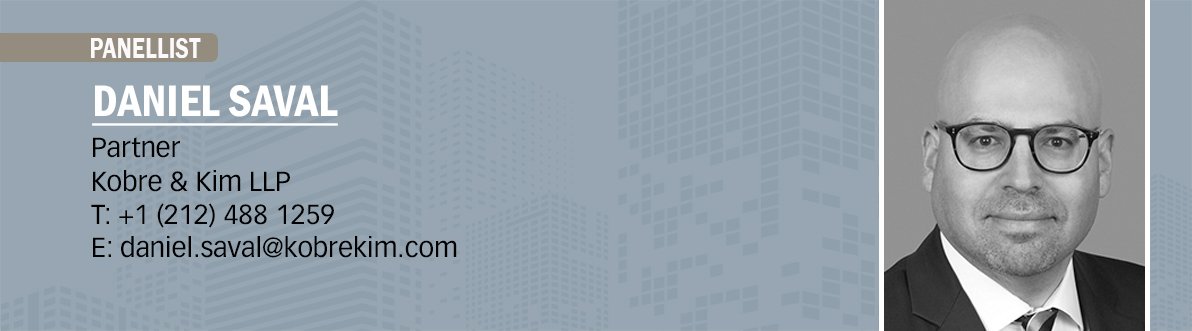
FW discusses special committee investigations in bankruptcy with Richard A. Collura at Ankura, Elliot Moskowitz at Davis Polk & Wardwell LLP and Daniel Saval at Kobre & Kim LLP.
FW: How are stakeholders’ expectations evolving around accountability and transparency in insolvency processes?
Collura: Stakeholders today expect more than a technically sound bankruptcy process – they demand accountability, transparency and confidence that fiduciaries acted in the estate’s best interests. Scrutiny increasingly extends beyond outcomes to the decision-making process itself, including governance practices, prepetition transactions, insider activity, related-party relationships and board actions. In this environment, independent and credible investigations are essential – creditors, investors and courts expect processes that can withstand scrutiny and demonstrate impartiality. The most effective investigations provide sufficient transparency to build trust while protecting privilege and preserving value. Ultimately, accountability is not merely a governance principle but a strategic value-preservation tool – a credible investigative process enhances stakeholder confidence, reduces conflict, builds consensus and materially improves the prospects for a successful restructuring outcome.
Saval: In restructuring and insolvency processes, the landscape has significantly shifted in recent years. Private equity (PE) and, increasingly, private credit now occupy nearly every layer of the capital stack, often sitting in overlapping positions in the transactions that later come under scrutiny. As a result, stakeholders and courts now assume that the questions of how a company reached distress and who benefitted – and who lost – along the way will be examined. Restructurings also move markedly faster and cost more than they once did. All of this has raised the bar for those handling special committee investigations. Having restructuring experience and being conflict-free are merely the baseline – increasingly, stakeholders want professionals who are truly independent and can run a credible, thorough investigation on an expedited timeline.
Moskowitz: In recent years, a variety of factors have intersected to raise stakeholder expectations. In general, major bankruptcy cases have become more litigious, and some parties in interest are fully prepared to commence litigation if they do not receive the level of transparency and disclosure to which they are legally entitled. This is particularly so in the so-called ‘liability management’ era, where stakeholders may wish to scrutinise controversial pre-petition transactions that gave rise to the capital structure upon which a plan of reorganisation is predicated. In addition, the Office of the United States Trustee has continued to play a role in pressing for disclosure in cases large and small. All of these factors, taken together, have led stakeholders to expect significant disclosure in major Chapter 11 cases.
“Stakeholders want professionals who are truly independent and can run a credible, thorough investigation on an expedited timeline.”
FW: How has the growing use of independent special committees altered stakeholder confidence in Chapter 11 investigations?
Saval: Stakeholder confidence has risen alongside the growing use of special committees. This is largely due to the sophistication and credentials of the individuals appointed as special committee directors. They have years of experience across diverse roles, often having served as restructuring lawyers, bankers or fund managers. It is also now widely accepted that a special committee should, in most cases, retain independent legal counsel rather than lean on primary restructuring counsel to conduct the investigation. Recent cases show what happens when that independence is compromised. In the Chapter 11 of Silvergate Capital Corp. in Delaware, a sole independent director investigated claims against the company’s directors and officers, using counsel and advisers already retained to represent the company and working largely from a record those parties had assembled. A court-appointed examiner later found the work – relied upon to support plan releases – deficient and conflicted. Independent processes help to avoid that outcome.
Moskowitz: Stakeholder confidence has been something of a mixed bag and depends in part on the reputation of the independent director and its counsel. On one hand, some independent directors and counsel inspire confidence that the investigation that will be conducted will be fair and truly independent from legacy parties in interest. On the other hand, if an independent director is viewed as someone who is beholden to debtor’s counsel for repeat business in numerous cases, the resulting investigation – even if conducted with integrity – may not garner stakeholder support and could be viewed with scepticism. The same is true if the special committee or its counsel has any prior connection to a sponsor, such as a PE transaction, or potential targets of the investigation.
Collura: The growing use of independent special committees has significantly strengthened stakeholder confidence in bankruptcy investigations by ensuring objective oversight where conflicts may exist. When concerns arise around insider transactions, management conduct, fiduciary decisions or prepetition value transfers, stakeholders expect assurance that the review is led by individuals free from influence by those under scrutiny. Special committees enhance credibility by shifting the focus from trusting the company’s conclusions to trusting the integrity of the process itself – courts, creditors and investors are far more likely to accept difficult findings supported by an independent, thorough, professionally executed investigation. Yet independence alone is not enough. Effective committees require a clear mandate, broad access to information, adequate resources and authority to follow the facts wherever they lead. When properly structured, they enhance transparency, reduce disputes and support more successful restructuring outcomes.
FW: What are the biggest practical challenges in investigating pre‑petition transactions involving senior management and insiders?
Collura: A major challenge in investigating pre-petition transactions involving senior management or insiders is separating fact from narrative when the individuals who controlled the decisions also controlled the flow of information. By the time an investigation begins, historical records may be incomplete, key decisions may have been made informally and actions often appear very different when viewed through the lens of financial distress. Another challenge is distinguishing poor business judgment from conduct that creates actual legal exposure. Not every unsuccessful transaction is problematic. Special committees may consider assessing issues such as insider benefits, related-party dealings, conflicts of interest, preferential treatment and whether appropriate governance procedures were followed. That requires understanding the business context and information available at the time. These investigations often occur while a restructuring is underway, creating pressure to deliver answers quickly despite complex facts, large data sets and competing stakeholder interests. Effective investigations focus on who benefitted, what was known, and whether decisions were made independently and properly documented.
Moskowitz: The most significant challenge is access to information without the discovery tools available in a formal litigation or through rule 2004 of the Federal Rules of Bankruptcy Procedure. Without such mechanisms to compel disclosure, counsel investigating pre-petition transactions may be left to rely on voluntary cooperation – potentially from the same parties that are the subjects of the investigation. It may therefore be difficult to develop a reliable and comprehensive record that is akin to the discovery that would be produced in an adversarial process overseen by a court.
Saval: The people whose conduct is being examined are often the ones most critical to the restructuring, and they hold the institutional knowledge a successful reorganisation depends on. Yet the investigation’s integrity cannot bend to that reality. The answer is to be disciplined rather than confrontational. Using a tailored roadmap helps to focus on the transactions that matter, so that company personnel see a credible investigation as a step toward plan confirmation rather than an obstacle to it. In our experience, this goes a long way in securing the management’s cooperation. Former management poses a different challenge, because the leverage of an ongoing relationship is lost. In these situations, cooperation provisions built into separation agreements can secure documents and testimony without the delay and cost of contested in-court discovery and anticipating that need early often makes the difference.
“The most effective special committee investigations are ones that take context into account and involve all relevant constituencies.”
FW: What distinguishes an effective special committee investigation from one that risks undermining the broader restructuring process?
Moskowitz: The most effective special committee investigations are ones that take context into account and involve all relevant constituencies to ensure that a variety of perspectives are incorporated into the committee’s work. The least effective special committee investigations are situations in which parties in interest lack confidence in the committee’s work – for example they may accuse the committee of favouring a pre-petition sponsor – and the committee becomes the source of controversy, cost and distraction in a Chapter 11 case rather than a resource for parties to rely on in driving toward a consensual resolution. It is particularly wasteful where a special committee gathers documents and conducts interviews only to have a creditors’ committee or other party’s interest repeat that same exercise because stakeholders lack confidence in the independence of the special committee.
Saval: An effective special committee investigation is defined less by effort than by judgment and sequencing. It undermines a restructuring when it delays the plan process or cuts corners and produces conclusions the courts or other constituencies will not accept. The goal is to move at the speed the case demands while producing work that withstands scrutiny. An investigation starts with an investigation plan and an ‘order of proof’ – a roadmap of which issues are material and what evidence a defensible conclusion on each would require. Done properly, credibility and speed are not in tension. In Sunnova Energy International’s Chapter 11 in Houston, for example, the investigation into a complex pre-bankruptcy financing transaction was completed in less than a month because the debtor in possession financing and sale process required it. Findings were presented in a way other constituencies, including the unsecured creditors’ committee, could test and rely on rather than revisit.
Collura: An effective special committee investigation should strengthen – not impede – the restructuring process. The most successful investigations promote accountability while preserving value, giving stakeholders confidence that key issues have been examined independently, objectively and efficiently. They remain focused on matters that materially affect stakeholder recoveries while recognising the realities of time, liquidity and ongoing restructuring efforts. A common mistake is allowing an investigation to become overly broad or unfocused. While thoroughness is essential, investigations that lose sight of their objectives can increase costs, delay negotiations, distract management and create uncertainty that diminishes value. Effective committees balance thoroughness with discipline, focusing resources on the issues that matter most. Turning over every rock is not always the best approach and is situation dependent. Success depends on independence, experienced advisers, unrestricted access to information and a clearly defined mandate. Ultimately, the goal is not simply to identify potential claims, but to provide the clarity and confidence stakeholders need to evaluate recoveries, settlements, litigation and the path forward.
FW: How should committees balance transparency with privilege and confidentiality during complex investigations?
Saval: Investigations are privileged exercises, and they must be, because candor with the special committee depends on it. At the same time, the value of the investigation lies in persuading others, including the creditors’ committee and ultimately the court, that the right questions have been asked and answered, so that the findings are not relitigated. That requires conveying the substance of the work in a way that does not waive the privilege that protected it. The answer is calibration. It is typical to walk constituencies through the investigation’s scope, the categories of documents and witnesses reviewed, and the conclusions reached, while protecting the privileged analysis underneath. Evaluating other firms’ investigations for creditors’ committees helps parties to understand what separates credible reporting from superficial reporting. That perspective helps build consensus around the investigation’s findings, including plan releases often driven by those findings.
Collura: Balancing transparency with privilege and confidentiality is one of the most challenging responsibilities of any special committee. Stakeholders need enough visibility to trust that concerns were examined thoroughly and independently, but excessive disclosure can waive privilege, discourage candid testimony or diminish estate value. The most effective committees are transparent about the process – mandate, scope, independence, advisers and methodology – rather than every detail. Maintaining privilege requires discipline from the outset, with clear reporting protocols and close coordination with counsel to protect sensitive communications. Yet withholding too much can cause scepticism and invite challenges from creditors, investors or the court. The goal is sufficient transparency to demonstrate an independent, thorough and objective investigation while preserving confidentiality that protects stakeholder interests. Ultimately, the balance is best achieved when stakeholders trust the integrity of the process – strengthening confidence, reducing disputes and supporting a more successful restructuring outcome.
Moskowitz: In order to do their work effectively and provide candid assessments to the special committee, counsel will ordinarily want to zealously protect the attorney-client privilege between counsel and the special committee. The problem is that the work of the special committee and its counsel must often be discussed with other parties in interest and even presented to the bankruptcy court, especially where the debtor is relying on the investigation to justify positions to creditors or the court, such as the propriety of releases by the debtor. When it comes to privilege between the special committee and the rest of the board of directors, the question is less fraught because the special committee and the board are all – for these purposes – covered under the same privilege: the company’s privilege. The central question involves disclosure to creditors – including a creditors’ committee, which may seek all documents produced to the special committees – and the court. One middle ground approach is to provide significant detail about the process undertaken by the special committee, such as statistics on the number of documents reviewed and witness interviews conducted, without divulging the substance of the investigation or any privileged documents. Even in such cases, it will usually be necessary to provide at least high-level conclusions that contain some legal analysis, but the risk of waiver in such a situation is thought to be rare if the disclosure is general enough and core attorney-client advice or work product is not revealed.
“Balancing transparency with privilege and confidentiality is one of the most challenging responsibilities of any special committee.”
FW: How are advances in data analytics and forensic technology changing the speed and depth of investigations?
Moskowitz: Advances in data analytics and forensic technology have allowed counsel to conduct more comprehensive investigations with greater speed and efficiency. Artificial intelligence (AI) could enable counsel to identify relevant documents more easily from a large corpus of material that could otherwise only be reviewed at great expense. The ability to conduct a more efficient investigation is particularly important in smaller cases, where it may not be cost-effective for counsel to conduct a wide-ranging investigation in the traditional way, lest the cost of the investigation rival whatever benefit the investigation could afford to creditors. The use of data analytics and forensic technology may also enable counsel to run statistical analysis to help calculate potential damages and even to help predict potential outcomes were a matter to be litigated to conclusion. As with any new tool, it is important for counsel to utilise the technology responsibly and avoid making some of the errors – such as ‘hallucinations’ in case citations – that have attracted attention recently in courts and the legal press.
Collura: Advances in data analytics and forensic technology are transforming bankruptcy investigations by making them faster, more targeted and more effective. Historically, investigations relied heavily on interviews, document reviews and manual transaction testing. Today, forensic accounting and technology professionals can analyse large volumes of financial, communication and payment data to identify patterns, anomalies and relationships that might otherwise remain hidden. The real advantage is not just speed but precision. Advanced analytics can help identify high-risk transactions, trace fund flows across entities, detect unusual activity, and uncover connections among related parties or insiders. This allows special committees and their advisers to focus resources on issues most likely to impact stakeholder recoveries and potential claims. Technology alone, however, cannot explain intent, business context or whether decisions were reasonable based on the information available at the time. Effective investigations combine sophisticated analytics with experienced forensic and restructuring professionals who can interpret data, separate signal from noise and draw well-supported conclusions.
Saval: Knowledge capture has always been central to investigative work, which depends on absorbing vast volumes of information, identifying what matters and reconstructing what actually happened. Analytics and, increasingly, AI now let us do that at a scale and speed that was until recently out of reach. In recent special committee investigations, AI-based tools have been developed and deployed to accelerate the review and synthesis at the core of the investigation, allowing judgment to be brought to bear sooner and on a fuller record. Importantly, however, technology does not – and cannot – replace judgment. Rather, it frontloads it. An effective investigation model pairs these tools with dedicated personnel trained to direct them and interrogate what they produce, which, on the compressed timelines that define these cases, is what allows an investigation to be both fast and genuinely deep.
FW: In large, multijurisdictional bankruptcies, what are the critical considerations for coordinating parallel investigations?
Collura: A major challenge is coordinating multiple, simultaneous investigations in a way that preserves privilege, maintains strategic alignment and produces consistent, defensible results. These matters often involve different legal systems, regulatory authorities, creditor groups and data privacy requirements, creating risks of duplication, conflicting conclusions and increased litigation exposure. Success begins with a strong governance framework that clearly defines investigative oversight, decision-making authority and information-sharing protocols among stakeholders and advisers. Without that structure, investigations can become fragmented, inefficient and disconnected from broader restructuring objectives. Cross-border document collection, financial records, communications data and witness interviews must comply with local laws, while providing special committees and their advisers with access to the information needed to establish a reliable factual record. Effective coordination reduces costs, minimises inconsistent findings and avoids duplicative efforts. A well-managed investigative process preserves privilege, enhances credibility, reduces uncertainty and gives stakeholders confidence that findings can withstand scrutiny and support restructuring objectives across jurisdictions.
Saval: The threshold challenge in multijurisdictional bankruptcies is structural. Parallel investigations cannot be siloed, yet information may not be able to flow freely either, because what may be shared across borders, regulators and privilege regimes varies enormously. Coordination requires an early view of what can pass between teams, what must be walled off, and when issues need escalation. Firms need to invest substantially to promote coordination so that investigations can effectively reach facts where they sit. In cross-border investigations involving foreign entities, language capability and local market fluency can materially affect the quality of the factual record. Interviews conducted in a witness’ native language, for example, may elicit context and candour that an English-only US team would be unlikely to obtain. The same coordination principles apply where parallel government inquiries are possible. Investigators who understand how regulators and prosecutors build cases can anticipate likely areas of focus and communicate appropriately while keeping the special committee’s workstream disciplined.
Moskowitz: First, counsel must be mindful of different discovery rules and practices from jurisdiction to jurisdiction. Typically, the discovery process in the US is much more invasive than in other countries, where it can be difficult to obtain robust disclosure in a litigation. Second, counsel must take into account data privacy laws, such as the General Data Protection Regulation, that are applicable in the European Union and may limit the ability to obtain certain categories of relevant information outside the US. Finally, coordination among counsel is key, especially if there are multiple law firms involved that need to liaise with one another on document review, witness interviews, legal research in the relevant jurisdictions and, ultimately, rendering the findings of the investigation into a digestible format for reporting to the client.
Richie Collura is a senior managing director in Ankura’s global investigations practice. With 30 years of experience providing forensic accounting, investigation, dispute consulting and expert witness services, he represents companies, boards of directors, special committees, creditors’ committees, lenders, trustees and receivers. He is a leading expert in complex bankruptcy cases involving asset tracing, breach of fiduciary duty claims, insider investigations and fraudulent conveyance actions. He can be contacted on +1 (646) 235 6870 or by email: richie.collura@ankura.com.
Elliot Moskowitz is a senior bankruptcy and commercial litigator, representing creditors and companies in courts around the US. Named Benchmark Litigation’s 2023 ‘Bankruptcy Litigator of the Year’, he has represented major corporations, financial institutions and creditors in trials and proceedings in courts around the country. He also has extensive experience representing corporate clients in a wide range of state and federal regulatory inquiries and civil litigation. He can be contacted on +1 (212) 450 4241 or by email: elliot.moskowitz@davispolk.com.
Daniel Saval is a partner in the New York office of Kobre & Kim LLP. He is a leading restructuring and insolvency litigator whose work spans complex special committee investigations, high-stakes Chapter 11 disputes in bankruptcy courts across the US, cross-border asset recovery and distressed/special situations. He is recognised by Chambers USA for bankruptcy litigation and is also a fellow of INSOL International. He can be contacted on +1 (212) 488 1259 or by email: daniel.saval@kobrekim.com.
© Financier Worldwide
THE PANELLISTS
Ankura
Davis Polk & Wardwell LLP
Kobre & Kim LLP