

Managing transactional risk
August 2026 | ROUNDTABLE | MERGERS & ACQUISITIONS
Financier Worldwide Magazine

August 2026 Issue
In an era of heightened transactional risk, management strategies must continually adapt to reflect the evolving M&A landscape. Risk transfer solutions are gaining momentum, with representations and warranties insurance now an integral part of almost every transaction. As risk areas become increasingly complex and exposure grows, dealmakers must identify and incorporate targeted due diligence procedures into the M&A process, while insurers focus on managing underwriting risk.

FW: What does ‘good’ transactional risk management look like today compared to, say, five years ago?
Sherman: Good transactional risk management changes perpetually to reflect the continuously changing M&A marketplace. Today’s marketplace is different than yesterday’s, it is certainly different than last year’s and it is undeniably different from five years ago. The average deal size and deal size of the upper quartile have grown constantly over time, and significantly over the past five years. The ‘hot’ industries change regularly, which means diligence focus must adjust regularly. And, most importantly, the marketplace seems to tell us that over the past five years, there is a greater risk of underperformance and moderated returns, often linked to target quality. Diligence cannot be ‘one size fits all’. Buyers need to determine early in the process where the exceptional areas of risk lie in the industry, the target and the deal, and focus on those risk areas more intently.
Grosso: The most significant shift in ‘good’ transactional risk management over the last five years has been the increasing availability of data and the importance of utilising that data. As a result, sophisticated and experienced R&W insurers have moved beyond a historical supply and demand-based approach for terms and pricing to a more informed risk-based decision-making process based on the specific facts and circumstances underlying each transaction.
Gordon: Five years ago, the M&A market was exceptionally strong, and as representations and warranties (R&W) insurance coverage became integral to almost every M&A transaction, there was much less capacity for the volume of deals in the market. Given those dynamics, carriers were able to obtain appropriate pricing and other terms for the risks being underwritten. However, in the last few years, M&A activity has slowed down significantly, while at the same time many new markets have entered this space, which has led to pricing and conditions deteriorating to unsustainable levels. These dynamics are unlikely to continue. When deal activity rebounds, there will again be severe insurance capacity constraints, and pricing and policy terms will adjust rapidly to better reflect the underlying risk. As a result, many deals will have a very difficult time securing R&W coverage.
Weiss: As always, we need to understand the target and scope of diligence, the structure of the deal, the quality of disclosures, buyer’s counsel, the broker, the industry and the financials. The market has learned a lot over the last several years. Good risk management means taking those lessons and feeding them back into appetite, pricing, retentions, exclusions and deal selection. Not every claim means the underwriting was wrong and many losses are exactly what the product is meant to cover. However, we need to distinguish acceptable volatility from systemic patterns that require a response in underwriting – whether through tightened underwriting standards, heightened diligence requirements, or adjustments to pricing or retentions. This means a willingness to trade top-line growth for sustainability of the product. The market is still competitive, and there is always pressure to stretch. But a strong transactional risk platform today needs discipline around where it deploys capacity, where it sets its own retentions and rates, and how to protect the long-term sustainability of the product. Creative solutions need to be priced, structured and underwritten for the risk we are taking.
Seno: Due to current market dynamics and terms, ‘good’ transactional risk management today looks different than it did five years ago. Over the past five years, average retentions have dropped significantly. That shift forces a corresponding drop in the diligence materiality threshold – buyers and their advisers cannot apply yesterday’s thresholds to today’s coverage. ‘Good’ practice means ensuring full disclosure from the seller, scoping diligence to cover the lower retentions and the specific representations, and selecting the right carrier for the specific deal and risks involved. It also means exchanging a fair premium for the risk transferred. Done well, the product works as intended for all parties and remains viable as a key and valuable dealmaking tool.
Burgan: The fundamentals have not changed. Good transactional risk management begins with thorough diligence, a clear understanding of the economics of the transaction and careful drafting of the purchase agreement. Working capital, purchase price adjustments, earn-outs, indemnification provisions and disclosures remain frequent sources of disagreement when not addressed with precision. What has evolved is our ability to apply lessons from completed transactions, post-closing disputes and insurance claims. We have a clearer understanding of how accounting judgments, aggressive projections, customer concentration, carve-out complexities and undisclosed liabilities can affect value after closing. Strong deal teams use that experience before signing. They identify the assumptions that matter most to valuation, assess whether they are supported and document how identified risks were addressed. Technology may improve efficiency, but it does not replace professional scepticism or sound judgment.
“Transactional risk insurance impacts deal negotiations, execution certainty, capital efficiency, seller exits, buyer recourse and whether a deal can get across the line.”
FW: How has transactional risk insurance evolved from a risk-transfer tool into a strategic driver of deal execution?
Grosso: While R&W insurance has become ‘table stakes’ for buyers involved in competitive processes where sellers are looking for clean exits, absent fraud, we are also seeing further adoption in other areas of the M&A market where it is proven to help drive deal execution. One example we are seeing is the increased utilisation of R&W insurance in take-privates and public-to-public M&A, where buyers have traditionally lacked viable recourse given the structural factors of those transactions. R&W insurance is also being utilised as an important tool to support liquidity in the growing secondaries market.
Gordon: Right now, the market appears to have shifted in the opposite direction. R&W insurance was designed to be used as a strategic driver of deal execution, with parties conducting thorough diligence and having skin in the deal. More recently, however, some dealmakers have treated R&W insurance as a risk-transfer tool, with less rigorous diligence and no seller indemnity. On most deals, buyers are happy and able to sell the company for profit. However, when a buyer is not as happy with its purchase or it holds the company longer than it expected, we have seen claims asserted two to three years after closing that are clearly rooted in buyer’s remorse. Once the M&A cycle turns, the people treating this product as buyer’s remorse insurance rather than a deal execution tool may lose hundreds of millions in profits, as they will not be able to win deals over more responsible parties.
Weiss: Transactional risk insurance impacts deal negotiations, execution certainty, capital efficiency, seller exits, buyer recourse and whether a deal can get across the line. Purchase agreements are increasingly drafted with R&W insurance in mind from the outset, resulting in reduced negotiation friction, narrowing escrow or indemnity debates, and quicker and more certain deal execution. That said, it is worth asking whether the pendulum has swung too far. As reduced or nil seller recourse has become the norm, there is a legitimate question about whether sellers retain enough incentives to behave as prudent uninsured parties. The product works best when it complements a disciplined disclosure process, not when it becomes a substitute for one.
Seno: Transactional risk insurance has moved from a closing checklist formality to an instrumental part of the deal from day one. Today, the transactional risk insurance workstream runs in parallel with diligence, seller disclosure and the negotiation of the acquisition agreement – influencing and shaping the scope of diligence, the drafting of the representations and the bidder’s positioning at letter of intent. The same shift is visible in deal structure. No-survival, no-indemnity outcomes for sellers, once limited to public deals, are now expected on most sell-side processes as insurance will underwrite and cover the gap this indemnity used to fill. The product is no longer back-end protection. It is a front-end deal driver that increases deal speed and certainty.
Burgan: R&W insurance is no longer just a tool for transferring post-closing exposure. It has become part of how transactions are structured, negotiated and executed. For sellers, R&W insurance can reduce escrows, limit continuing exposure and provide greater certainty on proceeds available at closing. For buyers, it can provide recourse while allowing them to submit a more competitive bid and avoid prolonged negotiations over seller indemnification. It can also help preserve relationships when the seller’s management team remains involved in the business after closing. Its strategic value depends on how well it is integrated into the transaction. The insurance process should begin early so diligence, purchase agreement negotiations and underwriting inform one another. A policy cannot correct weak diligence or an incomplete understanding of the target. When used effectively, R&W insurance supports execution because the underlying risk has been examined and allocated thoughtfully, not because an insurer has agreed to assume part of it.
Sherman: The ostensible purpose and benefit of transactional risk insurance is to transfer economic risk in a transaction. But transactional risk insurance is no longer simply a risk-transfer mechanism. In fact, the marketplace has recognised significant strategic benefits of the product for quite some time. Separate and apart from risk transfer, the modern use of transactional risk insurance is often strategically used to promote a more efficient deal process from beginning to end, and can help to increase deal speed by reducing negotiation. Especially with the greater number of private equity firm sellers today, it can help minimise the amount of seller escrows and indemnities, or even eliminate them, allowing for a cleaner exit for the seller and certainty regarding proceeds. It provides sellers with the opportunity to increase their investors’ returns by reducing or eliminating the amount of funds historically held in escrow and unavailable to the seller’s investors for extended periods of time. On the flip side, it provides a tool to the strategic buyer that wants to drive a cleaner and quicker deal by coming to the table with transactional risk insurance.
“To the extent buyer diligence may fall short, the cause is usually the same: the suite of R&W has moved faster than buyers’ diligence playbook.”
FW: What are some of the key factors influencing underwriting approaches, risk appetite and policy structuring in transactional risk insurance today?
Gordon: One of the biggest factors is the buyer. Is it someone who has a good track record of working together with insurers and using transactional risk products to facilitate their deals while maintaining an overall profitable experience? Or is it someone known for superficial diligence or questionable claims, who jumps from broker to broker and carrier to carrier because they have a history of misusing the product? The next biggest factor is risk appetite. Certain sectors have very few carriers willing to wade into it. For example, not many markets are willing to underwrite healthcare and financial institutions, at least not without extensive exclusions. Policy structuring is probably the least significant factor, as most policies have very similar coverage these days and typically include all of the current market standard provisions.
Weiss: Claims experience is the biggest driver of underwriting approaches today. We have a clearer view into what is driving claims severity and that data directly informs our appetite, pricing, retentions, exclusions and diligence expectations. The goal is not to pull back, but to be more selective and disciplined, and to price the risk we assume adequately so we can support deal execution while keeping the product sustainable.
Seno: Three key factors are influencing underwriting, risk appetite and policy structuring. Claims experience is the first. Severity and frequency have been increasing, with carriers reporting record claim payments and a rise in notifications arriving after the typical 12 to 18-month post-close period. That experience is shaping how underwriters scope risk, set diligence expectations and price coverage. The second factor is competition. Overall, capacity remains abundant and carriers remain reluctant to walk away from deals, which has kept terms and pricing favourable to insureds despite the claims trend. Third is the steady expansion of underwriting expertise and appetite into tax liability and tax credits, as well as secondaries transactions and other emerging trends. Whether these three forces produce a measured correction in underwriting, risk appetite and policy terms or something sharper is the question facing the overall transactional risk market in the next 12 months.
Sherman: The most obvious factor influencing underwriting, risk appetite and policy structure is pricing. It is possible that pricing could decline to a point that threatens the insurers’ profitable business model. The deterioration of pricing to that level would threaten the future of the product or, as an alternative, require significant policy and risk moderation. Pricing was heading in that direction several years ago, but has luckily begun to adjust to more realistic levels for the sake of the industry and its participants.
Burgan: Underwriting approaches, risk appetite and policy structuring today are heavily influenced by how the R&W insurance market has performed relative to original expectations. Early on, the product was viewed as protection against low-frequency and catastrophic loss, with claims expected to emerge relatively quickly post-closing. In practice, insurers have experienced a higher volume of claims, including more material claims asserted toward the end of policy periods and greater severity than anticipated. This has led to a more disciplined underwriting environment, even in a competitive market where pricing remains under pressure. As a result, underwriting now places increased weight on diligence quality and transparency. Ultimately, underwriting is more favourable when the risk can be clearly explained and supported. Uncertainty alone does not necessarily prevent coverage, but unexplored or poorly documented uncertainty will often result in exclusions, higher retentions or less favourable terms.
Grosso: Key factors influencing underwriting approach and risk appetite include the buyer and its due diligence process, the general risks of the target’s industry, and the specific risks of the target itself. Important subcategories to consider within those broader areas are the target’s internal financial controls, the subjectiveness of significant financial accounting practices, customer concentration and stickiness, and the history of claims and disputes involving the target. In addition, data continues to become an increasingly important tool to evaluate those various factors and influence underwriting approach and appetite.
“Even the best looking deal can quickly turn ugly if there are material issues that were not identified during diligence, so there must be a clear focus on the most significant exposures in every deal.”
FW: Where are buyers still falling short in due diligence, particularly in emerging risk areas like artificial intelligence, cyber and data?
Weiss: The underwriter can play a critical role in helping buyers understand what a standard scope of diligence looks like for a given target. The underwriter and the buyer should be aligned in this way. Underwriters review hundreds of deals across industries, deal sizes and risk profiles, giving them a unique vantage point to understand where diligence is sufficient, where it is thin and where it is missing entirely. One subject matter that we have focused on in terms of diligence is the condition of assets – where material or highly-concentrated tangible assets are included in the transaction perimeter – which usually takes the form of third-party engineering and technical reports or property condition assessments.
Seno: To the extent buyer diligence may fall short, the cause is usually the same: the suite of R&W has moved faster than buyers’ diligence playbook. The basic underlying diligence principle has not changed: underwriters scope coverage of a particular representation to the diligence performed. The areas where buyers are still falling short are emerging areas like artificial intelligence (AI), and others such as condition of assets and customer representations. Standard playbooks built around historically standard diligence workstreams may not have yet caught up with these matters and what underwriters expect on these exposures. The way to close any potential shortfalls is collaborative. The insured, their advisers and the carrier need to work together early in the process to adequately scope the diligence, recognising that diligence playbooks must constantly evolve and be tailored to the deal’s specific representations and risks.
Burgan: Buyers often fall short where emerging risks require deeper technical diligence than traditional approaches provide. In cyber and data environments, we have seen how weak controls, legacy systems and limited visibility into third-party exposures can contribute to post-closing breaches, with insurers often absorbing significant losses. Often, cyber and technology risks are treated as confirmatory diligence rather than as fundamental business risks. Buyers may focus on whether the target has had a breach without adequately assessing access controls, incident-response procedures, unsupported systems, third-party dependencies and the target’s ability to detect an intrusion. AI can add a layer of risk. Buyers should understand how AI is used, what proprietary or customer data is entered into external tools, whether AI-generated outputs affect customer deliverables or business decisions, and whether governance is in place. These matters should be addressed early because the findings can affect valuation, contractual protections, insurance coverage, and the costs and complexity of integration.
Grosso: In general, we have not seen buyers falling short in due diligence in emerging risk areas such as AI, cyber and data. Buyers continue to engage sophisticated legal counsel and technical advisers with relevant expertise in these areas and are taking a reasonable approach to this diligence. However, there are certain aspects of emerging technologies that are less practical to diligence in the context of a time sensitive M&A transaction. These can include risks such as patent litigation, which have led to significant claims in recent years. It is important for underwriters to identify these industry risks at the outset before being engaged on a transaction in order to appropriately scope coverage without surprising a buyer with an industry-specific limitation later in the process that should have been identified at the outset.
Sherman: Emerging risks are particularly difficult to diligence. Many emerging risks do not have a common definition or known risk profile and are not readily visible. They are emerging and we do not have a great deal of exposure to or experience with them. AI, as an example, is too new to really know what it is, or even anticipate the problems that may be encountered, or understand how to diligence those currently unknown or non-quantifiable problems. As a result, for AI and certain other emerging risks, there may be no standard or established diligence framework. We also continue to see issues arise related to cyber security and data privacy. Experience teaches us that AI and cyber security changes are swift, so it is difficult to fully diligence the long-term risks and associated exposure. Data and privacy risks are similarly difficult to diligence because of often undetermined regulatory exposure given different regional regulations and risks.
Gordon: There is more information available today than there had ever been in the past which can be obtained and analysed on every deal. The challenge is to balance thoroughness with speed of execution. Even with legal, financial and operational advisers, deal parties have monetary and timing constraints on these specialists. However, given recent advances in AI, it should become increasingly easier to diligence each acquisition more thoroughly. Certainly, publicly available information like litigation and regulatory compliance should be fully accessible and thoroughly reviewed. At the same time, some of the most important areas on any transaction, such as the financial health of the target, its reputation and the strength of its management team, can be explored in much greater depth. Even the difficult to diligence areas, such as cyber security and intellectual property, should also be more thoroughly reviewed with the help of AI.
“As the R&W market continues to evolve, it is critical that R&W insurers become increasingly data driven.”
FW: How can organisations balance the pressure for speed in dealmaking with the need for robust risk assessment?
Grosso: It is important to establish that buyers and R&W insurers remain largely aligned in the need for robust risk assessment, as R&W insurance limits typically only cover 10 percent of the purchase price with buyers bearing the risk of any additional losses. While we are not seeing the frenetic deal pace that we saw throughout 2021 and deal timelines are currently in line with a more balanced M&A market, the pressure for speed in dealmaking is always present. The best way for buyers and R&W insurers to balance these two factors is by each party identifying and communicating the key risk areas of a transaction early in the process to ensure that they are thoroughly diligenced and underwritten prior to signing a purchase agreement. If timing pressures do not allow the buyer to complete that diligence, they should not rely on R&W insurance to fill those gaps; they should instead expect coverage limitations, which can be conditional subject to completion of such diligence.
Sherman: We have seen the outcome of deals where the balance was not well thought out, which can lead to unpleasant outcomes. Market pressures demand speed, but the realities of today’s M&A environment demand a robust risk assessment. Granted, they do not always, or perhaps often, coexist well. But at the same time, they both must be taken seriously. The best answer that we have seen is to have parallel workstreams – structuring, underwriting and diligence at the same time. Involve advisers and insurers, if applicable, early in the process to take advantage of extra eyes that have the same objective as the deal team, and to ensure that any required diligence into key risk areas is not slowing down or holding up the dealmaking process. However, do not let this seeming need for balance excessively raise the risk exposure. In any target company, the level of risk in each area varies and it may be necessary to have heightened attention focused on one risk area versus another.
Gordon: From an insurers’ perspective, underwriting typically takes place within a week. But the deal should be thoroughly diligenced prior to that, and all deal team members should have the necessary information to confidently sign their deal. It is fair to expect that the buyer’s deal team has spent meaningful time with the people who run the target company, and that the buyer’s advisers have provided their written reports. While there will always be some areas of risk that are not thoroughly reviewed, it is fully expected that all material risks have been examined closely. Even the best looking deal can quickly turn ugly if there are material issues that were not identified during diligence, so there must be a clear focus on the most significant exposures in every deal.
Burgan: Speed and rigour are not necessarily competing objectives. Delays often arise because the deal team has not identified the most consequential risks early enough or because diligence workstreams are operating independently. Begin by determining which assumptions are fundamental to value. This includes the quality and sustainability of earnings, cash flow, key customer and supplier relationships, regulatory compliance, tax exposure, and the reliability of the company’s systems and data. These areas should be prioritised, while lower-risk items run in parallel. Communication is critical. Financial, legal, tax, operational, technology and insurance advisers should share findings in real time, not wait for final reports. An issue identified in one workstream can affect valuation, the purchase agreement, policy coverage and integration. The goal is not equal depth across all issues; it is to recognise which issues could change the economics of the transaction, and devote the appropriate time and expertise to them. A focused process is usually both faster and more defensible.
Seno: Speed and material risk assessment are not a trade-off. They are a sequencing and prioritisation exercise. The deals that move fast without sacrificing risk review are the ones where the buyer, its advisers and the carrier identify the highest-risk areas early and run those workstreams from the start. Compressed timelines do not mean lighter diligence – they mean disciplined diligence, focused first on the items most likely to drive a loss and claim. The seller has an instrumental role to play as well. A fulsome, clear and organised disclosure process keeps the workstreams on track and avoids doubling back. When an issue cannot be adequately diligenced before signing or closing, a policy can be bound with a conditional exclusion to be removed by satisfactory post-binding diligence. The deal closes on time. Diligence finishes properly. A win-win for all parties.
Weiss: We understand the pace of the M&A market, particularly where competitive processes are concerned, and we always look to meet those timelines. Our ability to do so hinges on thorough and timely diligence as well as insureds and their advisers being responsive to our questions and requests.
“Underwriting approaches, risk appetite and policy structuring today are heavily influenced by how the R&W insurance market has performed relative to original expectations.”
FW: What are the key lessons coming out of recent claims experience?
Burgan: A key lesson is that many significant claims arise from familiar areas, not novel risks. Financial reporting, contracts, compliance matters and tax exposures continue to produce substantial losses when the facts discovered after closing differ from what the buyer understood at signing. Claims also show the importance of connecting a breach to the value paid for the business. An inaccurate representation is only part of the analysis. Parties must also determine the resulting loss and whether the issue affected historical earnings, projected performance, the valuation multiple, required investment or another component of the purchase price. Documentation matters. Buyers should preserve the acquisition model, diligence findings, management explanations and records of how risks were considered in pricing and structure. That evidence is essential when assessing damages and responding to arguments that a matter was known or already reflected in the transaction. The broader lesson is that disciplined diligence and contemporaneous documentation improve outcomes and position parties to resolve future claims.
Gordon: One key lesson is that when M&A activity is high, claim activity tends to be low. In a robust M&A environment, dealmakers are busy buying and selling companies and generating significant profits. In a slow M&A environment, however, dealmakers are often forced to hold companies for longer periods and there is temptation to try to get something out of what, in retrospect, may appear to have been an unfavourable deal. Another dynamic is that R&W insurance has become integral to every M&A transaction, which means acquirers need insurers who will be there for them even in the most turbulent of environments. In a busy M&A atmosphere, frequent claim-makers often find it very difficult to obtain R&W insurance for their deals, and so people are generally much less inclined to make questionable claims when that behaviour results in losing valuable deals to more responsible parties.
Sherman: Financial statement breaches remain the most commonly claimed breach. Many of these claimed problems could not have been anticipated or discovered beforehand – the very purpose of the insurance – but it feels like some could have. In the claims process, a common inquiry of the insurer is to examine the pre-acquisition accounting records to understand the basis behind the claimed problem. A familiar insured response is that ‘relevant accounting and related records cannot be found or were never properly prepared and maintained’. That alone tells me that the diligence examination of pre-acquisition accounting, accounting methods and accounting processes did not effectively occur. If it had, the non-existence or inadequacy of the pre-acquisition accounting records would have been discovered and at least hinted at a potential problem deserving better or deeper pre-acquisition diligence – either preventing a breach and a claim, or at least providing information that would help support the insured’s proof of claim.
Seno: First, financial statement accuracy continues to drive both the highest severity and frequency of claims, with material contracts, tax matters and condition of assets close behind. Severity continues to climb as more claims involve diminution in value calculations with multiple-based damages theories. Second, carrier selection matters more than how the policy is priced. Premium is a factor, but a carrier’s reputation for handling claims fairly and efficiently should weigh heavily. Carrier selection is, in many ways, a claims decision made at placement. Third, claims are a marathon, not a sprint. Successful outcomes depend on early notification, a credible and focused theory of breach and loss, and direct collaborative dialogue with the insurer. The insureds that treat the claims process as a partnership with the carrier consistently outperform those that treat it as litigation.
Weiss: The product is responding to real and meaningful deal losses, including record R&W payouts in the Americas in the last 12 months, which illustrates its value – subject always to the terms of each policy and the facts of each claim. Claims frequency and severity have increased and informed how we think about sustainable pricing, appropriate retentions, underwriting discipline and realistic coverage expectations. The challenge is to remain commercial and solution-oriented for clients and brokers, while ensuring the product remains durable and capable of responding over the long term.
Grosso: While we continue to see that there are no risk-free deals and claims arise for even the most sophisticated parties, the two main drivers of paid loss consistently arise out of financial statements and material contract or customer claims. This makes sense, as these are two factors that can have a material impact on a buyer’s underwriting model with the potential for related losses to even exceed customary R&W insurance limits. Accordingly, it is essential both for buyers to thoroughly diligence these areas and for R&W insurers to ensure that appropriate diligence is being conducted to support the representations being covered. R&W policies must also be adequately priced in order to support a sustainable market for when unexpected issues do arise.
“Emerging risks are particularly difficult to diligence. Many emerging risks do not have a common definition or known risk profile and are not readily visible.”
FW: How are insurers and dealmakers adapting to manage increasingly complex and evolving risk exposures going forward?
Gordon: From the insurers’ perspective, carriers will continue to work closely with valued insureds while also avoiding parties that have a reputation for conducting shoddy diligence or making questionable claims. Most insurers are already dramatically reducing their available capacity on many deals while, at the same time, increasing demand continues to put upward pressure on pricing. However, more is needed to restore balance in the R&W market. This may include increasing retentions so that buyers have a significant incentive to perform thorough diligence and perhaps the return of seller ‘skin in the game’, where sellers have a meaningful incentive to provide the representations and disclosures they can stand behind confidently. There must also be increased use of exclusions for risks that have materialised over the last several years, such as specific employment and regulatory issues, especially in particular jurisdictions.
Sherman: As risk areas continue to become more complex and create more exposure, dealmakers will need to strategically identify them in advance of their diligence process and incorporate new focused diligence procedures into the process. Similarly, insurers will need to require more targeted diligence and deeper focus on those specific areas to manage their underwriting risk. Dealmakers and underwriters should engage specialists or deal-specific diligence advisers to ensure that evolving and emerging risks are identified, understood and adequately addressed. We should not be surprised to see an increased development and use of new technologies to be able to expand diligence while dealing with time-sensitive deal environments.
Seno: Insurers and dealmakers are adapting through thoughtful creativity. Insurers are deploying these products in ways the market would not have anticipated three years ago, but are mindful to learn from past risk misjudgements like the wide adoption of contingent risk, which resulted in significant losses for many insurers. More than ever, carriers respond to increasingly complex and evolving risk exposures with deeper underwriting expertise and broader appetite overall. This is evident with the wide adoption of coverage for secondaries transactions as well as tax credits. The open question is whether current pricing and terms are a normal soft market dynamic or evidence of something more structural. Both pressures are real. At a minimum, the path forward is most likely a continuation of the measured correction already undertaken by some markets – selective deployment of capacity, moderate pricing increases and more rigorous risk selection.
Weiss: The collapse in retentions and increase in nil seller recourse structures have arguably changed incentives in the deal process. Where sellers have little or no ‘skin in the game’ outside of common law fraud, we need to be focused and thoughtful about whether the disclosures and R&W package reflect that imbalance and potential moral hazard. Retentions, coverage and underwriting scrutiny all have a role to play in our approach to recalibrating that.
Grosso: As the R&W market continues to evolve, it is critical that R&W insurers become increasingly data driven. Those that have been through various market cycles can leverage those datapoints and other experiences to effectively select and price risks for sustainable success going forward. For dealmakers, it is important to choose an experienced R&W insurer that has a proven history of deal execution and efficient claims handling.
Burgan: Insurers are becoming more deliberate in individual transactions and portfolio composition. Industry exposure, transaction size, policy position and concentration across similar risks all influence underwriting appetite. At the deal level, insurers are directing greater attention to areas where business practices and risk are changing rapidly, including cyber security, data use, AI, regulatory compliance and complex tax structures. Dealmakers now involve insurance advisers earlier and emphasise diligence quality and coordination. A well-organised process gives the insurer a clearer understanding of the transaction and allows potential coverage concerns to be addressed before they become late-stage obstacles. We may also see greater specialisation. Complex risks may require dedicated diligence, tailored policy language or separate insurance solutions rather than relying on standard R&W insurance to address every exposure. The market remains competitive, but competitive terms do not eliminate the need for underwriting discipline. The most effective transactions are those in which the buyer, seller, advisers and insurer develop a shared, well-supported understanding of the risks being transferred, retained or otherwise addressed.
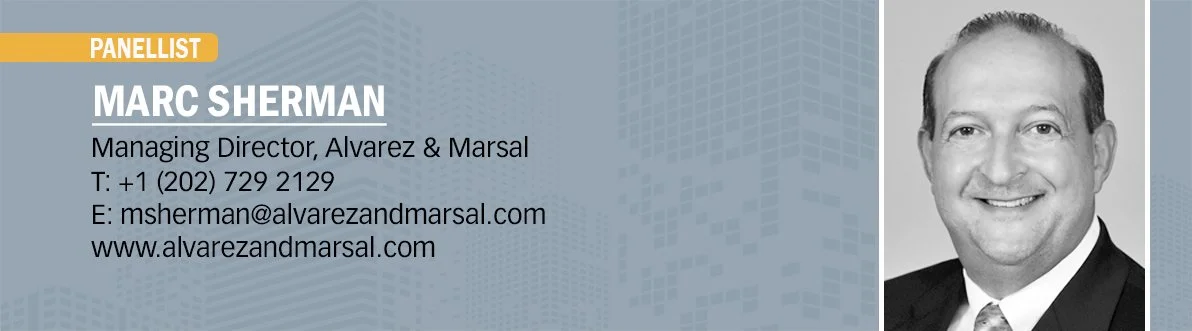
Marc Sherman is a managing director and partner at Alvarez & Marsal in Washington, DC. He was previously national partner-in-charge of forensic services and regional partner-in-charge of corporate restructuring and valuation for a Big Four firm. For the past 13 years, he has managed a practice at Alvarez & Marsal that assists insurers with global claims and underwriting of R&W and W&I insurance. He can be contacted on +1 (202) 729 2129 or by email: msherman@alvarezandmarsal.com.
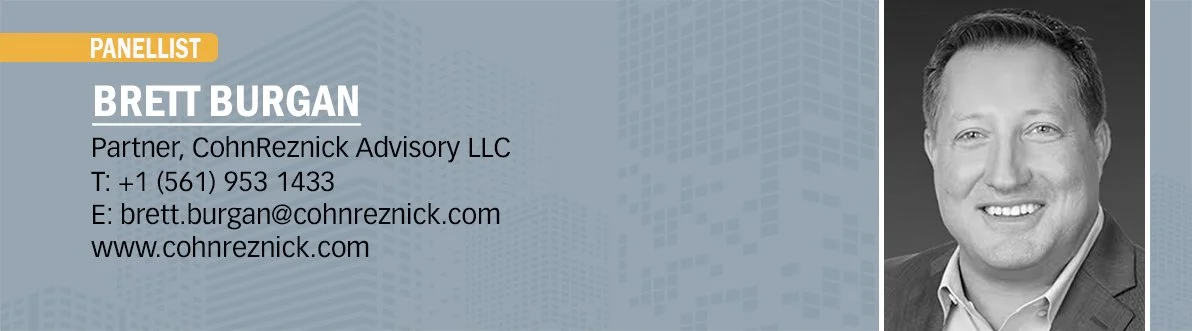
Brett Burgan is M&A insurance advisory and restructuring & dispute resolution services leader and South Florida office managing partner at CohnReznick Advisory LLC. With broad expertise in forensic accounting, litigation support, bankruptcy and restructuring, and transaction advisory, he provides strategic guidance to clients navigating complex financial challenges, distressed situations, high-stakes transactions and dispute resolution. As a trusted adviser, he offers a comprehensive approach to financial and operational challenges. He can be contacted on +1 (561) 953 1433 or by email: brett.burgan@cohnreznick.com.
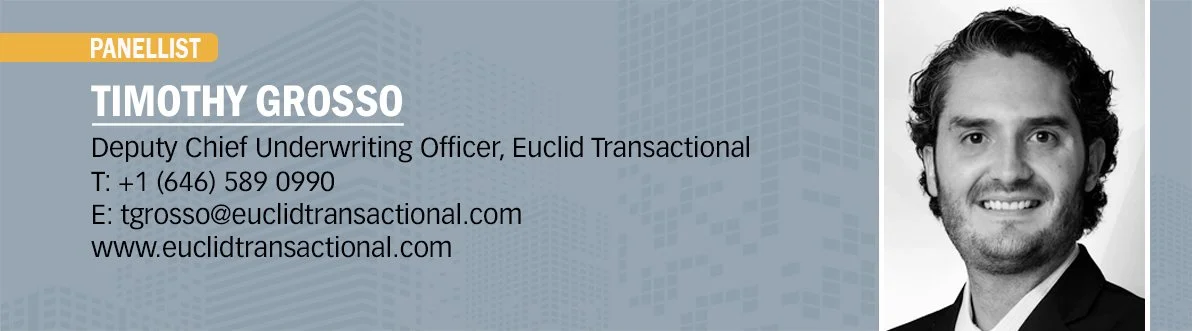
Tim Grosso is the deputy chief underwriting officer at Euclid Transactional, where he provides senior underwriting leadership to help translate underwriting strategy into day to day decision making. Prior to joining the team, he started his legal career as a corporate associate at Dechert LLP, focusing on mergers & acquisitions. He graduated with a BS in accounting from Purdue University and holds a JD from Fordham University School of Law. He can be contacted on +1 (646) 589 0990 or by email: tgrosso@euclidtransactional.com.
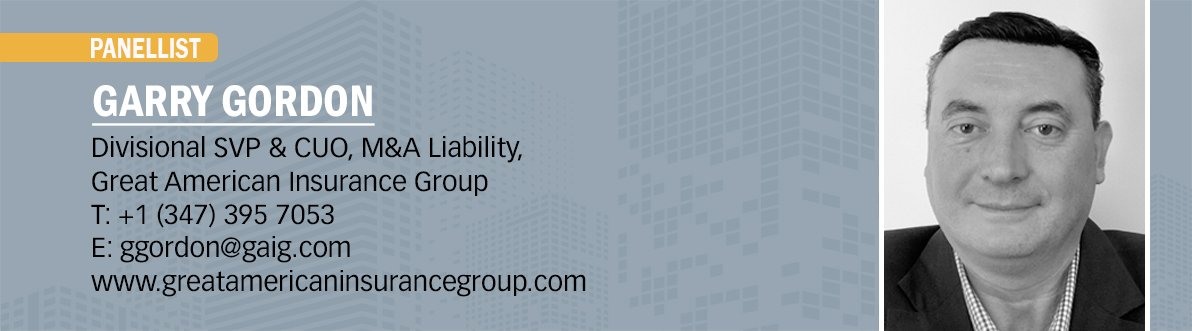
Garry Gordon has been underwriting transactional risk products since 2006. Prior to that, he worked as a systems engineer and, after graduating from law school, practiced law for nearly a decade with major law firms in the New York City area, specialising in M&A and transactional regulatory compliance. He is a member of the bar in New York and New Jersey. He can be contacted on +1 (347) 395 7053 or by email: ggordon@gaig.com.
David Seno is senior vice president at HUB International Midwest Limited. He leads transactional liability placements for private equity and strategic buyers across a wide array of industries, and brings over 20 years of experience across the legal and insurance industries. Before transitioning to his insurance career, he was an M&A partner at Foley & Lardner. He can be contacted on +1 (414) 426 3494 or by email: david.seno@hubinternational.com.
Hilary Weiss is head of Americas, based in New York. She has deep experience structuring, underwriting and negotiating transactional insurance solutions across a range of industries. Before joining Liberty GTS, she worked at XL Catlin and AIG. She holds degrees from Hamilton College and Brooklyn Law School and is admitted in New York and New Jersey. She can be contacted on +1 (646) 826 6772or by email: hilary.weiss@libertygts.com.
© Financier Worldwide
THE PANELLISTS
Alvarez & Marsal
CohnReznick Advisory LLC
Euclid Transactional
Great American Insurance Group
HUB International Midwest Limited
Liberty Global Transaction Solutions