


Post-merger value capture: operating models, cost synergies and transformation
April 2026 | TALKINGPOINT | MERGERS & ACQUISITIONS
Financier Worldwide Magazine

April 2026 Issue
FW discusses operating models, cost synergies and transformation in the post-merger value capture process with Paul Merrey and Laura Shearer at KPMG UK.
FW: In your experience, do acquirers tend to overestimate synergy potential and struggle to convert deal plans into realised benefits? Which integration decisions made in the first 90 days most strongly predict whether a merger becomes a value creator rather than a value destroyer?
Shearer: We have seen estimates that overplay the potential synergies and underplay the one-off costs relating to the integration. This can be driven by anything from being too fixed on getting a competitive asset at whatever the cost, or simply not spending enough time on synergy case development and integration planning from the outset. While it is good to be optimistic and consider all potential areas of value on a deal, successful acquirers are the ones who ensure they are being practical about what can actually be achieved and at what cost. What makes the biggest difference in the first 90 days is alignment: clarity on the deal’s value thesis, top-team buy-in, rapid integration design choices and explicit prioritisation from leadership. Teams that quickly stabilise the business, confirm baseline economics and set out a practical, sequenced plan generally turn the deal into a value creator rather than a value destroyer.
FW: What specific mechanisms – such as governance structures, KPI design or leadership behaviours – most reliably shift an organisation from ‘synergy optimism’ to genuine synergy delivery?
Shearer: Moving from ambition to delivery requires consistent structure and behaviour. From a governance perspective, one of the most critical factors is choosing the right integration team and very clearly setting accountability. This helps with buy-in but also provides clarity on governance structure and escalation paths. Regarding key performance indicators (KPIs), we see a real correlation between acquirers who rigorously track synergy benefits and overall value delivered. Well-designed KPIs and robust tracking approaches keep teams honest and allow boards and leadership to make live decisions to augment previous plans if needed. Delivery becomes far more consistent when organisations create strong sponsorship and remove ambiguity – this comes from the top. Clear alignment on the vision for the integrated business and transparent communication from leadership from the outset will help to maintain momentum.
“Aligning decision-making structures, agreeing on what processes genuinely need to be standardised, and designing customer journeys that feel coherent post close all accelerate value capture.”
FW: When two organisations merge, which operating model choices have the greatest impact on accelerating post-merger value capture, and why?
Shearer: I would say that the operating model decisions that have the greatest impact are the ones that remove ambiguity and reduce friction. The ones which simplify how work gets done are typically welcomed given the complexities of delivering an integration. Aligning decision-making structures, agreeing on what processes genuinely need to be standardised, and designing customer journeys that feel coherent post close all accelerate value capture. Sometimes it is the decision to take a more considered, phased approach to certain aspects of operational integration which is the one that creates the most value. For example, trying to limit the immediate impact on customers can improve retention of business and create more value later down the line.
FW: Which cost synergy levers most reliably translate into long term value capture? What separates acquirers that achieve durable savings from those that only realise one-off reductions?
Shearer: When developing synergy cases, it is important to assess whether the identified cost savings are sustainable, recurring run-rate synergies. Tactical cuts such as reducing internal budgets and pausing or cancelling project spend are typically less sustainable in nature, and can also lead to loss of future growth and revenue. Sustainable cost synergies tend to come from levers that fundamentally reshape how the business operates rather than simply compressing costs. Teams that succeed tend to be the ones that tackle root causes, not symptoms. They redesign processes, modernise technology and embed new ways of working. Those that rely on short-term cuts typically see costs creep back as the organisation reverts to old behaviours.
FW: In your experience, what kinds of transformation initiatives most effectively convert a merger into a step change in long term value creation? What conditions need to be in place for that transformation to take hold rather than stall post close?
Merrey: The mergers that become true step change moments are those that use the deal to accelerate strategic transformations – platform consolidation, artificial intelligence (AI)-enabled operations, commercial model reinvention and portfolio reshaping. But these only stick when certain conditions are in place: a clear value thesis, protected change capacity, executive sponsorship, adequate investment, strong data foundations and a compelling narrative for the organisation. The most successful acquirers link transformation waves to synergy milestones, pacing ambition without jeopardising day one stability. Change moments are those that use the deal to accelerate strategic transformations. Integrations that deliver real transformation go beyond cost and focus on shaping the future business as well as a unified leadership vision. Without the right sponsorship and capacity, even well-designed transformations struggle to take hold after close.
“The most successful acquirers link transformation waves to synergy milestones, pacing ambition without jeopardising day one stability.”
FW: With AI playing a rapidly expanding role across due diligence and post-merger integration, where do you see it having the highest impact on value capture? How can it help with cost-synergy acceleration, operating model design, cultural integration and risk reduction, for example?
Merrey: AI is already reshaping both diligence and post-merger integration. AI is proving most useful where speed and pattern recognition matter – analysing huge data sets during diligence, scanning contracts for risk and overlap or quickly identifying duplicative spend. In integration, it is increasingly helpful in surfacing cultural hotspots, predicting where processes will bottleneck and supporting more data-driven operating model decisions. It is absolutely an accelerator, especially when paired with strong governance and high-quality data, but the human intervention is equally as important. The organisations benefitting most are those that pair AI tools with strong governance and human oversight.
FW: What are the least obvious integration failure modes – the ones leaders tend to discover too late – that should be monitored closely during early planning?
Merrey: Some of the most damaging failure modes are the ones leadership teams only spot late or those that emerge quietly. For example, misaligned expectations between leadership teams, decision-making bottlenecks that slow execution and overconfidence in the state of underlying data. Customer-facing risks, such as small service disruptions or inconsistent messaging, can also gather unseen. Cultural and political misreads also derail progress. The best safeguard is early stress testing, such as dry runs, integrated planning workshops and independent challenge to assumptions. This can typically uncover these risks before they become costly.
FW: What practical steps do high performing acquirers take during diligence to ensure integration teams inherit realistic, actionable value cases instead of theoretical ones?
Merrey: The most effective acquirers give integration teams a value case they can actually deliver. They do this by getting clarity on the baseline, building bottom-up synergy estimates, validating assumptions with real supplier or customer insights, and understanding execution constraints early. They tag every value line with owners, milestones and data sources, and ensure finance signs off on both methodology and numbers. They also run ‘day 0 to day 90’ planning during diligence so that the value case feels executable, and not theoretical.
Shearer: The best acquirers treat diligence as the first phase of integration, not a separate activity. They validate assumptions with people closest to the work, pressure-test the complexity of delivering each synergy, and build value cases that reflect both ambition and practicality. They also socialise early versions of the plan with the leaders who will ultimately deliver it, ensuring the integration team inherits a value case grounded in reality, not aspiration.
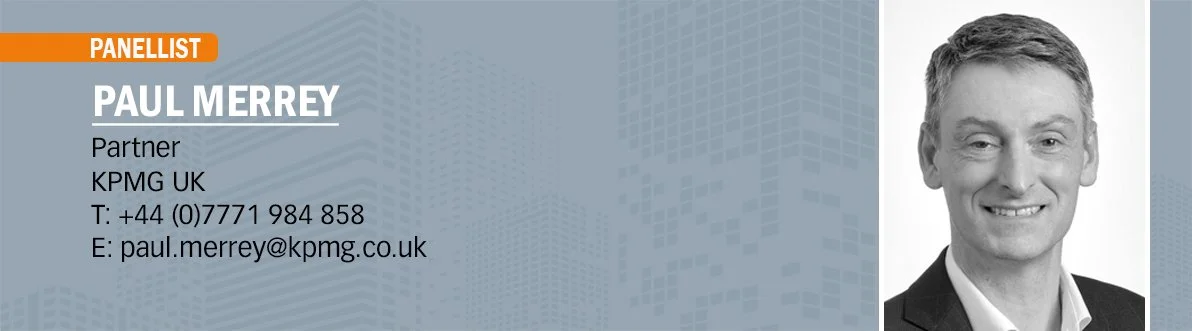
Paul Merrey is a partner and insurance strategy group lead in KPMG’s global strategy group, advising insurers, brokers and reinsurers on growth, innovation and transformation. With deep life and general insurance experience, he previously led strategy at Prudential plc and held roles across its UK, US and group operations, starting his career at PwC and Barclays. He can be contacted on +44 (0)7771 984 858 or by email: paul.merrey@kpmg.co.uk.
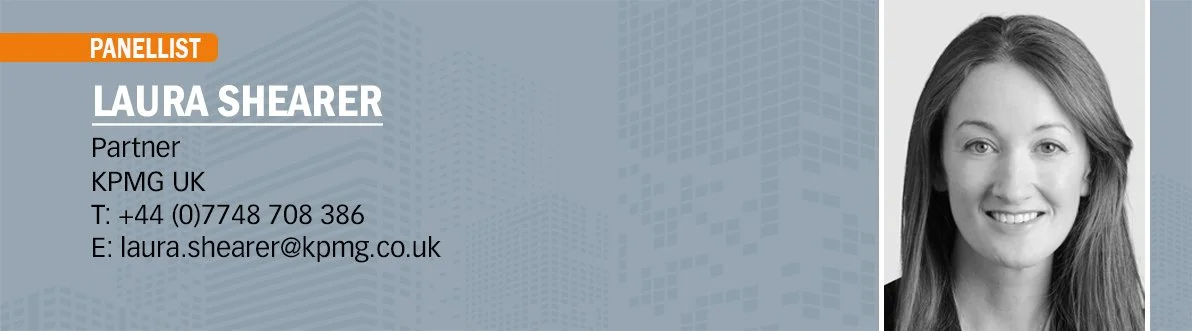
Laura Shearer is a partner in KPMG’s deal execution team and specialises in large-scale financial services integrations, separations and value creation programmes. She has led major deals for Aviva, LSEG, HSBC, Goldman Sachs and other global institutions, planning and delivering complex integration and separation programmes, and developing and reviewing synergy cases and cost reduction programmes across multibillion-pound transactions. She can be contacted on +44 (0)7748 708 386 or by email: laura.shearer@kpmg.co.uk.
© Financier Worldwide