

Commercial arbitration
January 2026 | WORLDWATCH | LITIGATION & DISPUTE RESOLUTION
Financier Worldwide Magazine

January 2026 Issue
In an era of heightened geopolitical and regulatory uncertainty, many regions are seeing a steady rise in commercial disputes referred to arbitration. Cases in sectors such as construction and energy remain significant, alongside a growing number linked to the energy transition, environmental, social and governance commitments, and technology. The challenge for arbitrators is to remain efficient and adaptable while ensuring arbitration continues to be regarded as a trusted, neutral forum for resolving commercial disputes.





FW: Looking back over the past year or so, what shifts or patterns have you observed in the types of commercial disputes being brought to arbitration? Are there particular sectors or issues that stand out?
UNITED STATES
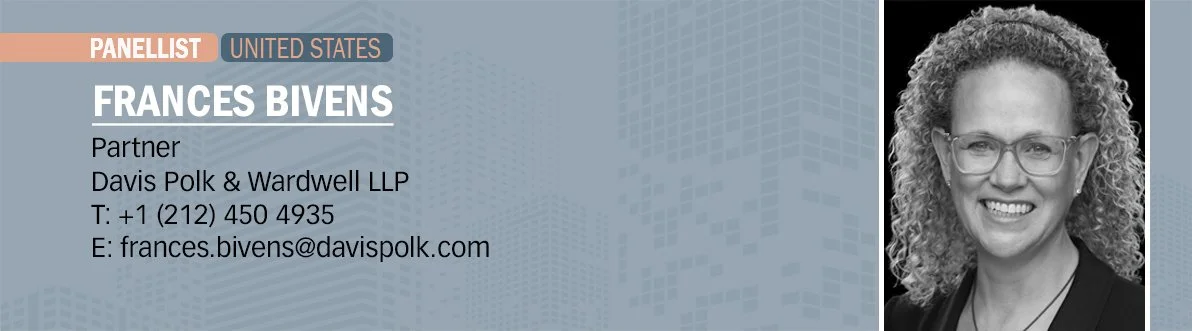
Bivens: The proliferation of investment in energy projects has led to a rise in disputes, especially where government action creates additional pressure or roadblocks on projects. Additionally, the success of certain pharmaceutical products has led to a number of disputes, as distributors and producers rush to capture market share and develop generic alternatives to brand name drugs.
SOUTH AFRICA
Ripley-Evans: Over the past 12 to 18 months, South Africa has seen a steady increase in commercial disputes referred to arbitration. One explanation for this is the significant backlog of matters awaiting trial before the courts. Parties are turning to arbitration as an alternative. We continue to see a significant number of arbitrations being referred to ad hoc arbitration. The Arbitration Foundation of Southern Africa is the only administering institution in South Africa and administrative delays, together with increased costs for the parties, have been cited as reasons for favouring ad hoc proceedings. Contractual breach claims continue to be most common. The rapid growth in the renewable energy sector has contributed to an increase in energy disputes. Construction, mining and logistics have also seen heightened arbitration activity, largely due to project delays, cost overruns and supply chain disruptions that strain contractual relationships. Shareholder disputes continue to feature heavily in arbitrations.
UNITED KINGDOM
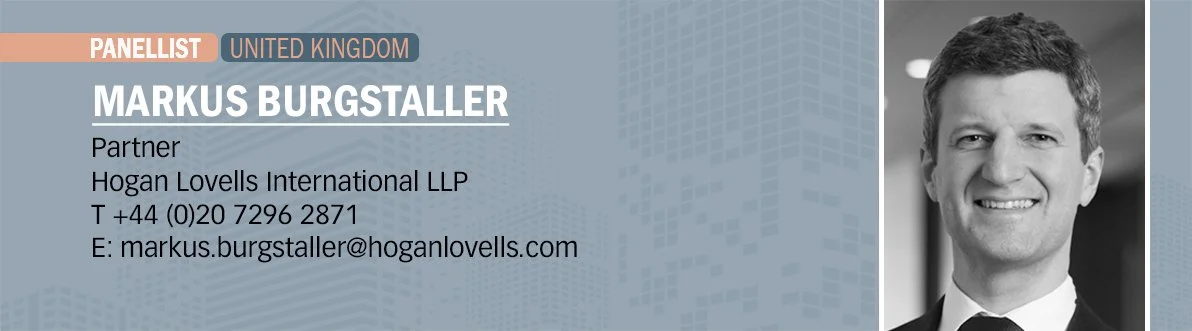
Burgstaller: In an era of heightened geopolitical and regulatory uncertainty, a notable trend we have observed is a rise in resource nationalism, giving rise to a number of disputes. Several governments have sought to increase control over natural resources or renegotiate existing mining and energy contracts to capture greater local value. These policy shifts, often driven by political transitions or economic pressure, have prompted foreign investors to initiate claims under bilateral investment treaties or investment contracts, alleging expropriation or unfair treatment. Disputes in the mining, oil and gas sectors are especially prominent, as companies seek to protect long-term investments amid changing legal and fiscal regimes. This trend underscores how geopolitical and resource-driven policies continue to shape the arbitration landscape, with Africa emerging as a key region for high-stakes commercial and investment disputes.
CANADA
L’Hirondelle: Commercial arbitral institutions based in Canada do not publish statistics on their respective new and ongoing cases or the industry sectors from which those disputes arose. Even if they did, these metrics would not include the significant number of ad hoc arbitrations which occur throughout Canada and which are not administered by any institution. Trends I have observed in the past year include heightened volatility in cross-border commerce and project delivery disputes. Construction and infrastructure disputes continue to dominate, with claims tied to cost overruns, supply-chain disruption and schedule impacts. Energy and natural resources remain active, including power purchase arrangements, royalty disagreements, and transition-related issues surrounding carbon credits and environmental, social and governance (ESG)-linked covenants. There has also been an increase in arbitrations between joint venture partners when a dispute arises. Benefits of arbitration that parties in a long-term relationship like a joint venture find particularly attractive include ensuring confidentiality and privacy are stipulated in the arbitration agreement, eliminating appeal rights and including a ‘status quo’ clause requiring parties to continue to perform their obligations in the event of a dispute. Procedurally, parties are leaning into expedited case management, emergency and interim relief, and hybrid hearings, alongside increased attention to funding disclosure and confidentiality.
FRANCE
Saleh: Over the past year, Paris has further consolidated its position as a leading seat for commercial arbitration. Arbitrations seated in Paris most commonly arise in the construction and energy sectors, with a notable number of gas pricing disputes and sanctions-related issues. Compliance continues to feature prominently before French courts in enforcement and annulment proceedings, particularly following the recent tightening of judicial scrutiny in cases involving allegations of corruption or money laundering. Another clear pattern is a widening gap in case size: there are more small and mid-sized arbitrations, but fewer very large ones. When major cases do arise, however, they tend to be exceptional both in scale and complexity.
“The seat of arbitration must be chosen with care, as its law defines the procedural framework, the scope of court intervention and the grounds for annulment.”
SINGAPORE
Lee: In the last year, we have seen a noticeable rise in energy-related disputes and supply chain claims. In our experience, parties are increasingly invoking force majeure, price-adjustment and change-in-law clauses as they navigate inflationary pressures and regulatory shifts. In Asia in particular, we are seeing more disputes arising out of renewables projects relating to delays and non-performance. As to procedure, we are also seeing an increasing number of parties utilising expedited arbitration procedures where available, for example under the Singapore International Arbitration Centre and International Court of Arbitration rules, in an effort to provide more certainty as to the timelines for resolution of their disputes and to reduce the associated costs.
GERMANY
Hadding: Over the past year, I have noticed a broader mix of disputes coming through arbitration. The usual areas like construction and energy are still very active, but there has been an increase in cases linked to the energy transition, ESG commitments and technology. We are seeing more disputes around renewable energy projects and digital infrastructure, as well as carbon credits – all of which tend to raise difficult regulatory and data issues. Post-M&A disputes also increased, mainly because of market volatility and valuation disagreements. What is also interesting is that parties are now bringing more sophisticated contractual and financial claims, which really shows that arbitration has become the go-to forum for complex, cross-border commercial matters.
FW: When a company anticipates potential arbitration, what foundational steps should it take to position itself effectively – both legally and strategically?
SOUTH AFRICA
Ripley-Evans: It is essential to carefully consider the entire dispute resolution clause to ensure that all pre-arbitration steps have been taken, which is particularly relevant for tiered dispute resolution clauses. Pay careful attention to agreed procedures for the initiation of proceedings and for the appointment of the tribunal. It is always advisable to start collecting the body of evidence required to establish one’s case as early as possible. If memorial style pleading is adopted, one will be expected to produce significantly more evidence earlier in the proceedings. It is also important to consider not only the governing law of the contract but also the legal system in which one’s counterparty operates. This is likely to give insight into whether a more common law style process of document production or the more common, Redfern Schedule disclosure is likely. It is always advisable to try to establish the financial position of one’s counterparty, both for purposes of paying arbitration costs but also for purposes of executing an award. It is important to determine whether evidence exists to support one’s case, both in the form of documents and witnesses, and whether obtaining such evidence may prove to be a logistical hurdle.
UNITED KINGDOM
Burgstaller: Early preparation is crucial to strengthen a company’s legal and strategic position. Reviewing the arbitration clause to confirm the applicable rules, governing law and procedural requirements is a crucial first step. For claims brought against states under investment treaties, the company will also have to consider which group entity or individuals should bring the claim to ensure optimal treaty protection. It is also important to preserve and organise key evidence to ensure readiness for disclosure. Engaging experienced counsel and experts early allows for accurate assessment of claims, defences and potential exposure. Strategically, the company should evaluate settlement options, identify key decision makers and manage communications to avoid prejudicing its case. It is also important to consider funding arrangements and any reputational implications. Taking these proactive steps helps ensure the company is both legally equipped and commercially ready when arbitration proceedings commence.
CANADA
L’Hirondelle: When arbitration is forthcoming, corporations should first conduct a thorough review of the arbitration clause to confirm its scope, validity, seat, applicable rules, governing law, notice mechanics, timelines, document production parameters and tribunal composition. Parallel legal steps include preserving and organising evidence, securing key witnesses, evaluating privilege and confidentiality, and assessing risk and prospects for interim relief. Strategically, it is imperative to assess the case early to help frame the issues and identify what qualifications a trier of fact should have to address the issues. Conducting more ‘up front’ work and planning will promote a more efficient process and help the parties choose an arbitrator or panel with subject‑matter expertise. Absent a contractual requirement, the company should decide whether to propose institutional or ad hoc administration and give due consideration to what it may wish to propose for the procedural timetable, and whether early case management techniques can be leveraged to narrow issues and control cost.
“Commercial arbitration would benefit most from reforms that codify early, tribunal led case management with narrow and proportional document production.”
FRANCE
Saleh: Early strategic planning is essential to ensure consistency and credibility throughout proceedings. When anticipating arbitration, a company should begin by conducting a thorough review of relevant documentation and an exhaustive merits assessment to evaluate its position and prospects of success. Arbitrator selection can be outcome-determinative. Independence and impartiality are prerequisites, but relevant sectorial experience, expertise and sufficient availability to dedicate time to the case are equally important. Specialist arbitration lawyers play an important role by helping clients identify the most suitable arbitrators for their case. Efficiency should remain a guiding principle. In defining its strategy, a company should therefore also leverage procedural tools. Examples include bifurcation where appropriate, mandatory early submission of all legal grounds and evidence, concise written submissions, and the use of decision trees. Regular case management conferences, particularly before the tribunal rules on document production and ahead of the merits hearing, also help streamline proceedings.
SINGAPORE
Lee: When arbitration is contemplated, we often recommend steps to preserve evidence early – capturing contemporaneous correspondence and transaction or project records and being as organised as possible. Next, it is common that as a dispute escalates, parties will be making efforts to settle so as to avoid the need for arbitration – it is important to ensure that all such discussions are made strictly on a ‘without prejudice’ basis in order to prevent offers from being used by a counterparty in arbitration if a settlement is not achieved. Engaging counsel early may also allow pre-arbitration communications to be managed in a way that protects privilege and also enhances the narrative of a party’s case.
GERMANY
Hadding: Documentation, preparation and a long-term strategy are key. The best thing a company can do early on is to preserve and structure all relevant evidence, especially emails, project data and other electronic records, including a document retention plan. As always, it remains crucial to check the arbitration clause: make sure it is valid and understand the particularities of the applicable rules and any special obligations in the clause itself of the mandatory law. Management should also think ahead about settlement options, the actual time and cost investment, public perception and enforcement risks, particularly if it is a cross-border issue.
UNITED STATES
Bivens: The company should have disputes counsel work with the business team that negotiated and administered the underlying contract to fully understand the best commercial and legal arguments available to the company. The company should allow counsel to work with the business team to help the company get honest about the underlying facts. The company should ensure identification and preservation of key documents and access to key witnesses. They should also understand any informational inequity between the parties and factor that into the dispute resolution strategy. The company should get internal alignment on the goals of the dispute resolution to develop the best strategy to achieve those ends and set expectations for the dispute and any related negotiations.
FW: Where do you see the greatest opportunities for reform in commercial arbitration procedures to better serve parties in terms of time, cost and overall effectiveness?
UNITED KINGDOM
Burgstaller: Parties choose arbitration for its efficiency and cost-effectiveness, but it must continue to evolve to remain competitive. Streamlining procedures is key, and greater use of technology, including artificial intelligence (AI), offers real potential to enhance speed and reduce costs. For example, AI can assist with document review, case management and drafting. However, as the technology is developing, its use should be carefully monitored to ensure fairness, accuracy and confidentiality. Beyond technology, procedural reform also plays a crucial role. A welcome development in English law is the Arbitration Act’s new express competence for arbitral tribunals to issue summary awards. This reform is expected to streamline proceedings, lower costs, and further strengthen London’s reputation as a leading seat for efficient dispute resolution. Together, responsible use of technology and targeted reform can deliver a faster, more modern and trusted arbitration process.
“Reviewing the arbitration clause to confirm the applicable rules, governing law and procedural requirements is a crucial first step.”
CANADA
L’Hirondelle: Commercial arbitration would benefit most from reforms that codify early, tribunal‑led case management with narrow and proportional document production. In addition, technology‑enabled hearings, including disciplined use of remote testimony and AI‑assisted review to cut delay without compromising confidentiality or due process, would assist in making arbitrations even more appealing. This would increase the parties’ flexibility and assist in reducing unnecessary travel costs. It may also be beneficial to build settlement inflection points into the procedural calendar, such as early mediation, to leverage early merits testing while maintaining pressure for efficient adjudication. Other possible reforms include codifying the number of arbitrators in proportion to the dollar value of the matter, such as for ad hoc arbitrations.
FRANCE
Saleh: One of the greatest opportunities for reform in France lies in reducing the duration of recourse proceedings, which remains a weakness when competing with Geneva as a seat of arbitration. Streamlining the timelines before the Court of Appeal and the Court of Cassation would significantly enhance efficiency. Another weakness of the current system is that the Court of Appeal is not required to examine all grounds raised by the challenging party. This can lead to repeated referrals between the Court of Appeal and the Court of Cassation. Addressing all grounds of challenge from the outset would allow the Court of Cassation to conduct a full review and provide clearer guidance on remand. Finally, the requirement for a certified translation of the award when seeking recognition and enforcement is costly and time-consuming. Allowing a non-certified translation, with certification only where quality of the free translation is deemed insufficient, would improve efficiency.
SINGAPORE
Lee: Arbitration remains valued for its flexibility, but procedural inefficiencies persist notwithstanding the efforts by many institutions to introduce efficiencies such as expedited procedures. There is certainly scope to expand the use of technology, such as AI-assisted document review, virtual hearings and digital bundles, to reduce time and cost. Tribunals could play a big part in this, by actively encouraging the use of such AI tools. Tribunals could also reduce procedural inefficiencies by enforcing procedural timetables more strictly, curbing ‘over pleading’ and fixing shorter hearing windows where feasible. Ultimately, these efforts should balance efficiency with due process, ensuring arbitration retains its flexibility and allure across industries.
UNITED STATES
Bivens: There are genuine opportunities for early motions to allow for early decisions where contract language is clear, to avoid lengthy disputes focused on parole evidence which in court would not be admissible. Early motion practice could also eliminate frivolous claims and narrow issues in dispute. It would also facilitate settlement discussions. Court cases settle more quickly because judges are not afraid to send early signals about their views of a case. Arbitrators often do not feel free to do so. Mandatory mediation at certain key procedural junctures would also be helpful. Both sides will say they do not want it if asked, because they do not want to signal weakness or a lack of faith in their position.
GERMANY
Hadding: Most people would agree that arbitration has to keep evolving if it is to stay efficient and accessible. Bringing a bit more procedural discipline would really help, such as tighter timetables, streamlined and more restrictive document production, and getting rid of weak claims early on. A lot of institutions are improving their digital case management and hybrid hearing systems, which is great, but we still need clearer standards on cyber security and how virtual hearings are handled. Greater transparency and upfront agreements around costs and how cost awards are decided would also build user confidence. And I would like to see more diversity among arbitrators, plus wider use of tools like early neutral evaluation or mediation within the process.
“Arbitration is an attractive dispute resolution mechanism because it enables parties to resolve their disputes in a confidential manner, while offering neutrality, finality and global enforceability.”
SOUTH AFRICA
Ripley-Evans: The greatest opportunities lie in streamlining procedures to reduce time and cost without compromising fairness, importantly by utilising technological advancements and tools. Regrettably, some current practices often replicate rigid court processes, which undermine arbitration’s intended flexibility. Arbitral institutions could revise their rules to simplify awards by eliminating lengthy factual and procedural histories, integrating parties’ arguments within the tribunal’s reasoning rather than presenting them separately, and imposing page limits on awards. There is, however, a risk that in doing so, one may offer more opportunities for parties seeking to review an award. A more robust approach by the courts in review proceedings will deter frivolous reviews and a more generous approach toward costs by tribunals will ensure that successful parties are better compensated. Embracing technology will certainly improve efficiency of proceedings.
FW: What makes arbitration an attractive dispute resolution mechanism for businesses today? What key elements should be considered when drafting arbitration clauses?
CANADA
L’Hirondelle: Parties choose arbitration for greater flexibility and procedural control, enhanced finality, confidentiality and ease of enforcement. When drafting arbitration clauses, parties should carefully define what is arbitrable, select the seat, governing institutional rules and language, and clearly set out the process for selecting the arbitrator. Unlike the court system, in arbitration the arbitrator or panel determine most procedural disputes that arise, which encourages good behaviour because the same decision maker ultimately makes the final decision. Finality is a key consideration when drafting arbitration clauses. The provincial acts governing international commercial arbitration are based on the Model Law, permitting applications to set aside arbitral awards only on specific grounds and not general appeal rights. Most provincial acts governing domestic arbitration include a limited right to appeal but also permit parties to contract out of such appeal rights. Drafters must consider if they want to eliminate or limit appeal rights and should specify whether appeals go to court or a private arbitration panel.
FRANCE
Saleh: A key advantage of arbitration lies in the cross-border enforceability of awards. Under the New York Convention, awards can be recognised and enforced in more than 170 jurisdictions. Confidentiality is another important benefit, allowing businesses to protect commercially sensitive information and minimise reputational risk. If the arbitration is seated in France, a confidentiality provision must be included, as confidentiality of the arbitration is not automatic under French law. Arbitration also offers procedural flexibility, enabling parties to choose arbitrators with relevant expertise and experience. To make the most of this advantage, it is essential to engage counsel that will select the arbitrators best suited to the case. Finally, the seat of arbitration must be chosen with care, as its law defines the procedural framework, the scope of court intervention and the grounds for annulment. Paris remains an excellent choice, offering modern arbitral law and arbitration-friendly courts with a focus on compliance.
GERMANY
Hadding: Businesses tend to value arbitration because it is neutral, confidential and most importantly enforceable. Thanks to the New York Convention, it is much easier to enforce an arbitral award internationally than a court judgment. Companies also like the fact that they can choose arbitrators who really understand their industry and shape the process to their legal and technical needs. When it comes to drafting the arbitration clause, clarity and simplicity is key – parties should mainly use standard clauses of the selected institution. It is also crucial to keep things consistent across related contracts.
SOUTH AFRICA
Ripley-Evans: Arbitration remains an attractive dispute resolution mechanism for businesses in South Africa due to its flexibility, confidentiality and enforceability. Unlike litigation, which is often prolonged and constrained by rigid procedural rules, arbitration allows parties to customise procedures, select arbitrators with sector-specific expertise, and maintain privacy in sensitive commercial matters. Awards are binding and can be enforced relatively easily with fast-track procedures for enforcement emerging. When drafting arbitration clauses, clarity is paramount. Clauses should specify the arbitral institution, seat of arbitration, governing law and number of arbitrators to avoid jurisdictional disputes. Including tiered provisions, such as compulsory mediation before arbitration, can encourage early engagement and reduce costs. Well-drafted clauses not only prevent ambiguity but also safeguard efficiency and predictability in resolving complex commercial disputes. It is generally advisable to utilise standard wording provided by institutions for institutional arbitrations.
“Clauses should specify the arbitral institution, seat of arbitration, governing law and number of arbitrators to avoid jurisdictional disputes.”
UNITED STATES
Bivens: Arbitration is confidential, which is often appealing to commercial clients. Arbitration awards are easily enforceable around the world thanks to the New York Convention, making arbitration more attractive in international disputes. International arbitration also provides a neutral platform for the dispute where parties are from different countries. In certain instances, arbitrators with industry expertise can be more appealing than judges with little insight into industry practice, commercial complexities, contract terms and terminology.
SINGAPORE
Lee: Arbitration is an attractive dispute resolution mechanism because it enables parties to resolve their disputes in a confidential manner, while offering neutrality, finality and global enforceability, which is particularly important for cross-border commerce where parties are often based in different jurisdictions. In the case of technically complex disputes, arbitration also allows appointment of arbitrators with deep industry and technical knowledge, which provides a certain level of assurance to parties. When drafting arbitration clauses, parties should specify matters such as the seat and language of the arbitration, and the governing law of the arbitration agreement. If using multi-tiered mechanisms, it is important timeframes are clearly specified, and that the clause is clear whether compliance with intermediate steps is a precondition to arbitration. In most cases, we would also recommend sticking to model clauses suggested by the chosen arbitral institution, because bespoke provisions often lack the certainty of these ‘tried and true’ provisions.
UNITED KINGDOM
Burgstaller: Arbitration is increasingly attractive to businesses facing cross-border disputes. It offers neutrality, confidentiality and flexibility, allowing parties to avoid potentially biased courts and protect sensitive commercial information while also shaping the procedure for the resolution of their dispute. Furthermore, arbitral awards are relatively easy to enforce globally. To maximise these benefits, arbitration clauses must be drafted with clarity and precision. Key elements include defining the scope of the tribunal’s jurisdiction, specifying the governing law of the arbitration agreement, and designating the seat of arbitration, which determines procedural law and court supervision. The clause should also address the appointment of arbitrators, the language of proceedings and any applicable institutional rules. Addressing these elements promotes certainty, efficiency and reduces the risk of jurisdictional or procedural disputes.
FW: As economic and regulatory pressures evolve, which emerging risks or developments do you believe will most influence the arbitration landscape in the near future?
FRANCE
Saleh: Compliance requirements place increasing regulatory pressure on arbitration. In the 2022 Belokon and Sorelec decisions, French annulment judges confirmed their authority to conduct a full review of awards – on both the facts and the law – when corruption or money laundering is alleged. This reinforces Paris’s reputation as a respected seat, where awards may be denied recognition or annulled if tainted by misconduct. Another factor shaping the arbitration landscape is AI and its regulation, most recently under the 2024 European Union AI Act. Although the Act does not expressly mention arbitration, it covers ‘alternative dispute resolution’ and classifies AI systems used to apply the law as ‘high-risk’ when their output produces legal effects, requiring human oversight of decision making. We are in the early stages of understanding AI’s effect on arbitration, but it will play a central role. France’s strong regulatory framework will enhance its attraction as a seat in the coming years.
SOUTH AFRICA
Ripley-Evans: South Africa’s arbitration landscape is set to evolve further under mounting economic and regulatory pressures. Renewable energy projects will remain a major driver of disputes, particularly around compliance, procurement processes and socioeconomic obligations. At the same time, regional trade initiatives and large-scale infrastructure developments under the African Continental Free Trade Area, also known as AfCFTA, are expected to increase cross-border disputes, bringing complex questions of governing law and enforcement to the fore. In addition, judicial support for alternative dispute resolution is anticipated to accelerate the adoption of mediation and arbitration, reinforcing their role in resolving commercial disputes.
“The usual areas like construction and energy are still very active, but there has been an increase in cases linked to the energy transition, ESG commitments and technology.”
UNITED STATES
Bivens: The significant investment in data centres will likely lead to disputes, as there will be winners and losers in that industry based on timing, technological developments, availability of energy resources and other pressures.
SINGAPORE
Lee: We see economic and regulatory pressures driving the growth of arbitration in many sectors, but most notably in energy and technology. As to the future of energy, we see climate-related regulation and ESG disclosure obligations continuing to drive an increasing number of disputes. We are also likely to see an uptick of claims in the green energy sector, given the evolving technologies being used in, say, carbon capture projects. There is considerable divergence between jurisdictions in the direction of technology regulation, but we are already seeing considerable numbers of disputes relating to digital payments and the use of cryptocurrency, and expect this trend to continue.
UNITED KINGDOM
Burgstaller: Emerging risks that are likely to shape arbitration include political instability, regulatory shifts and economic volatility. Changes in the geopolitical landscape, which in turn influence areas like trade policies and sanctions, and nationalisation of key industries, particularly in sectors like energy, mining and infrastructure, are driving an increase in investor-state and cross-border commercial disputes. Climate change and ESG-related obligations are also creating new areas of liability, as companies face evolving legal and contractual standards. Technological developments, including AI and digital assets, raise both opportunities and challenges in arbitration, from evidence management to questions of data security and legal certainty. Collectively, these trends suggest a more complex, high-stakes arbitration landscape requiring adaptability, expertise and careful risk management.
GERMANY
Hadding: There are quite a few trends at the moment. The move toward a low-carbon economy is generating new disputes around climate regulation, sustainable supply chains and changing investment frameworks. Geopolitical tensions and sanctions are also impacting contracts and making enforcement and performance much more complex. Then there is the digital side, especially rapid advances in technology, which are bringing more cases involving data breaches, AI-related contracts, and cyber security failures. We are also seeing more third-party funding. The challenge for arbitrators will be to stay efficient and adaptable while keeping arbitration a trusted, neutral space for resolving global business disputes.
CANADA
L’Hirondelle: As economic and regulatory pressures evolve, the arbitration landscape is being reshaped by converging macroeconomic, regulatory and geopolitical forces. For instance, as related to ESG, climate and supply chain regulation, expansion of corporate due diligence, carbon pricing and human rights obligations are being hardwired into contracts across supply chains. As a result, we expect a rise in the number of disputes involving compliance representations and indemnities, as well as increased multi-party and multi-tier proceedings. This will likely also lead to expert-heavy green-transition disputes. In addition, we expect that the recent boom in AI adoption linked directly to data, privacy and cyber security issues will require all participants in the arbitration process to build their technical literacy and lead to tighter protocols for document production and hearing logistics.
“Court cases settle more quickly because judges are not afraid to send early signals about their views of a case. Arbitrators often do not feel free to do so.”
Frances Bivens is a partner in Davis Polk & Wardwell LLP’s civil litigation practice. She serves as lead counsel in high-stakes litigation matters in federal and state courts around the US and arbitrations around the globe. She has an electrical engineering degree and is experienced in litigation involving technical issues, including energy, power and infrastructure disputes and mass tort cases. She also regularly handles complex financial matters. Her practice has included cross-border disputes arising out of the UK, India, China, Korea, Hungary, France, Switzerland, Brazil, Mexico, Argentina and Papua New Guinea. She can be contacted on +1 (212) 450 4935 or by email: frances.bivens@davispolk.com.
Matthias Hadding is a partner at Dentons Europe LLP and is based in Dentons’ Düsseldorf office. He is head of the German litigation and dispute resolution practice group and specialises in litigation and arbitration in all areas of commercial law, especially in international construction and energy disputes as well as post-M&A proceedings. Another focus of his practice is representing clients in class action proceedings. He can be contacted on +49 211 74074 292 or by email: matthias.hadding@dentons.com.
Jonathan Ripley-Evans is a partner based in Herbert Smith Freehills Kramer’s Johannesburg office. He has extensive experience in alternative dispute resolution, arbitration and general commercial litigation. He is a fellow of the CIArb, is an AFSA accredited mediator and arbitrator, and has acted as mediator, adviser and counsel in mediations and arbitrations, both domestic and international. He specialises in the resolution of commercial disputes in a wide range of sectors including energy, mining, tourism, hospitality, property and engineering. He can be contacted on +27 10 500 2690 or by email: jonathan.ripley-evans@hsfkramer.com.
Mark Lee is an international arbitration practitioner who handles complex cross-border commercial disputes under leading institutional rules including the LCIA, ICC and SIAC rules. His practice focuses on large construction, infrastructure and energy disputes, often with an international element. He regularly advises project owners and contractors on the full range of contentious issues in construction such as defects, delays and other quantum-related claims. He can be contacted on +65 6302 2562 or by email: mark.lee@hoganlovells.com.
Markus Burgstaller combines experience in public international law and EU law at the highest level of government with many years of experience in private practice. He advises clients on international economic law, including sanctions, and acts for states, international organisations, businesses and individuals in international disputes, mainly arbitrations under ICSID, UNCITRAL and ICC rules, and in proceedings before the Court of Justice of the European Union. He is nominated to the ICSID panel of arbitrators by the Austrian government. He can be contacted on +44 (0)20 7296 2871 or by email: markus.burgstaller@hoganlovells.com.
Lucy L’Hirondelle is a partner in Norton Rose Fulbright Canada LLP’s Calgary office. She has represented clients in domestic and international arbitrations and mediations, as well as at all levels of Alberta Courts. The disputes on which she has acted involve a broad range of subject matters, including contractual and joint venture, fiduciary duties, oil & gas, corporate securities, director and officer liability, and shareholder remedies. She is experienced in complex, high-stakes litigation and dispute resolution proceedings. She can be contacted on +1 (403) 267 8284 or by email: lucy.lhirondelle@nortonrosefulbright.com.
Shaparak Saleh is a partner in Three Crowns’ Paris office with over two decades of experience in international arbitration. She has acted as counsel and arbitrator in major commercial disputes across multiple sectors and regions. Ranked among leading global practitioners, she also lectures in arbitration and serves as a delegate to the ICC Commission on arbitration and alternative dispute resolution. She can be contacted on +33 (1) 83 79 09 78 or by email: shaparak.saleh@threecrownsllp.com.
© Financier Worldwide
THE PANELLISTS
UNITED STATES
Davis Polk & Wardwell LLP
GERMANY
Dentons Europe (Germany) GmbH & Co. KG
SOUTH AFRICA
Herbert Smith Freehills Kramer South Africa Attorneys Inc.
SINGAPORE
Hogan Lovells
UNITED KINGDOM
Hogan Lovells International LLP
CANADA
Norton Rose Fulbright Canada LLP
FRANCE
Three Crowns LLP