

Foreign investment & national security
June 2026 | WORLDWATCH | MERGERS & ACQUISITIONS
Financier Worldwide Magazine

June 2026 Issue
National security concerns and investment screening are increasingly inseparable in 2026. Geopolitical conditions are reshaping patterns of foreign direct investment (FDI) in line with a global trend towards stronger protection of sovereignty and national interests. As the definition of ‘national security’ continues to widen and FDI screening regimes become more demanding and multilayered, investors should treat national security reviews as a core component of transaction risk assessment rather than a procedural formality.
FW: How would you characterise the current geopolitical and macroeconomic climate as it relates to national security? In what ways are these dynamics shaping patterns of inbound and outbound foreign investment in 2026?
UNITED KINGDOM
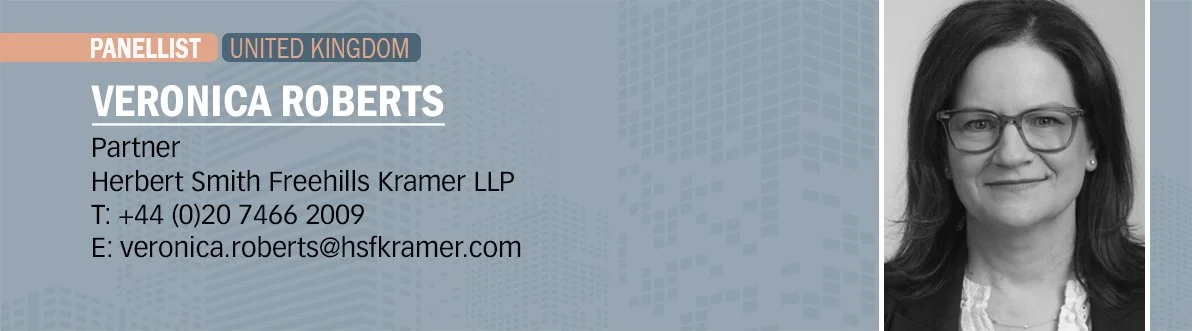
Roberts: Geopolitics is shifting faster than ever before and political norms are being challenged in a variety of ways. At the same time, companies in many sectors are seeking further investment, often from outside the UK. The UK government is trying to strike a balance between permitting this investment to proceed where there is no identified national security threat, while still using its power to prohibit investments or order divestment in the very small number of cases where it perceives such a threat. What this means in practice is that the Investment Security Unit (ISU) in the UK is scrutinising acquirers from any jurisdiction more carefully where the UK activities involved are sensitive from a security perspective. Even acquirers from ‘friendly’ jurisdictions are being required to sign up to remedies to get their deal cleared.
AUSTRALIA
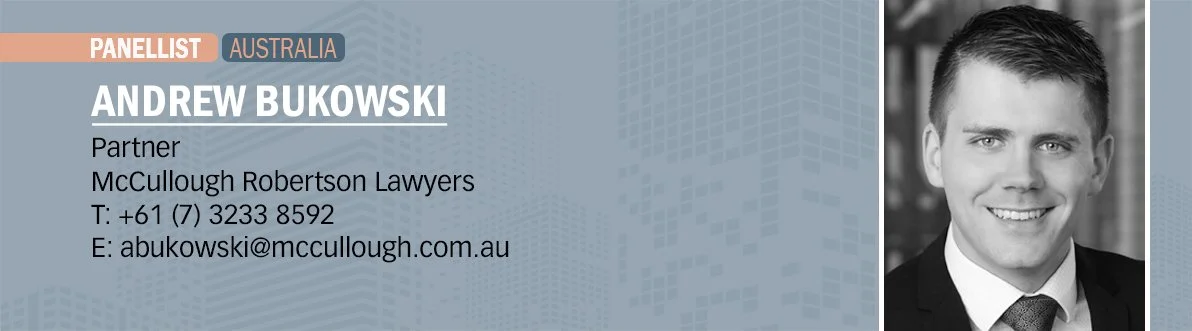
Bukowski: Australia’s foreign investment regime has always hinged on a single, flexible idea, the ‘national interest’. That principle still underpins every Foreign Investment Review Board (FIRB) decision, but the way it is being applied today appears more influenced by national security considerations than previously. In the current climate, national interest is increasingly being interpreted through the lens of national security, particularly when it comes to supply chains and the availability of critical minerals, such as lithium, nickel and silicone. While the FIRB still focuses on the national security impacts associated with data protection, critical infrastructure and other sensitive assets, no sector is under the microscope quite like critical minerals. The government has not been subtle about its intentions. It is actively pushing to diversify supply chains away from China and other high-risk regions and, just as importantly, seeks to limit and control Chinese investment in Australia’s critical minerals sector. That stance has been reinforced by rare and very public enforcement actions, including requiring divestments where acquisitions have breached the rules. At its core, this shift reflects a broader strategic priority to secure the inputs needed for decarbonisation technologies like batteries and solar panels. Australia clearly wants these supply chains anchored in partnerships with like-minded countries – with the US being a public favourite – and it is shaping its investment settings accordingly.
FRANCE
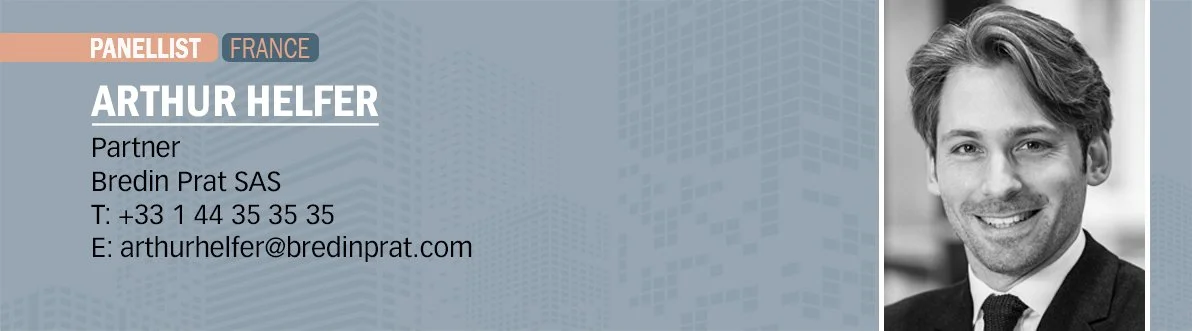
Helfer: Existing geopolitical conditions, including the French political climate, are reshaping patterns of French foreign direct investment (FDI), in line with European and global trends of being increasingly protective of sovereignty and national interests. In addition, the French market is enduring a broader economic downturn, with its gross domestic product growth slowing to 0.7 percent in 2025 and it carrying the eurozone’s highest public deficit. Despite these challenges, France remains a leading destination for investors in Europe, with a record 53 projects totalling €40.8bn in foreign investment announced at the 2025 ‘Choose France’ summit. As a result, foreign investments into France are being increasingly screened by the French Ministry of Economy (MoE). Outbound investment screening has been discussed at European Union (EU) level, but it is not being screened in France currently.
BELGIUM
Kupka: Belgium is structurally an open economy that is eager to attract foreign investment. However, the current geopolitical and macroeconomic climate – characterised by an increased level of uncertainty – has pushed the country to progressively shift its foreign trade policy toward a more strategic approach that combines economic openness with an increased focus on national security. This is in line with the policies of other EU member states and the EU as a whole. The Belgian Federal Ministry of Economy acknowledged, in a 31 March 2026 report, that the country’s foreign investment competitiveness, while remaining relatively stable, had seen a slight decline over the last decade. Inbound foreign investment, however, was on the rise according to figures published by the Belgian FDI screening committee, the Interfederal Screening Commission (ISC). In 2023-24, the committee received 68 filings representing an investment of €2bn in Belgian companies, whereas in 2024-25, the same metrics rose to 100 filings worth €7bn.
UNITED STATES
Clarke: In 2026, economic policy and national security are increasingly inseparable. Governments are intervening more readily in cross-border deals that touch on national interests – and defining those interests more broadly than ever. In practice, review thresholds are lower, the definition of ‘national security’ keeps widening, and allied governments are coordinating their screening efforts more closely. For dealmakers, that translates to longer timelines, heavier compliance burdens, deeper information requests and a greater likelihood that sensitive-sector transactions will be conditioned or blocked. Not all investors face the same scrutiny. Those from allied nations generally have a smoother path as has traditionally been the case, but even friendly-nation investors should not expect a free pass when sensitive technologies or significant data assets are involved. In today’s environment, no strategic-sector transaction is truly routine.
“The principal challenge for foreign investors under Belgium’s FDI screening regime is the lack of clarity on the scope of its application.”
GERMANY
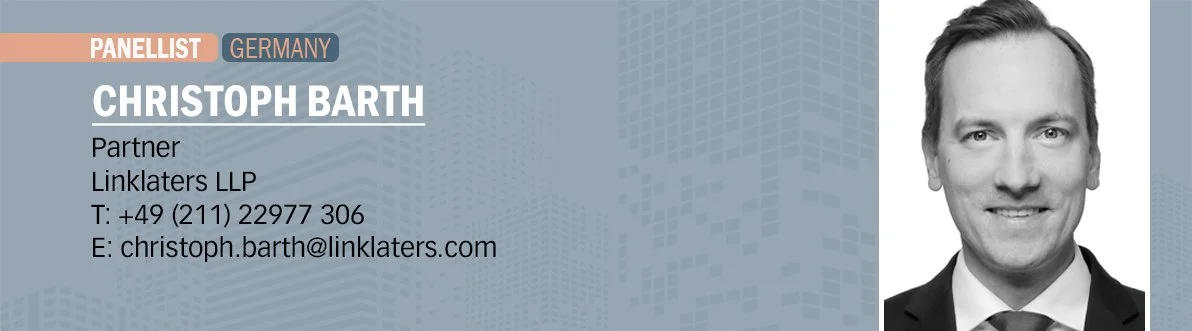
Barth: In 2026, the mantra is clear: economic security is national security. Active conflict and geopolitical fragmentation are keeping governments laser-focused on resilience – across energy, logistics, data and defence supply chains, and on preventing technology leakage. The macroeconomic picture reinforces this. Elevated uncertainty and security shocks are driving a policy tilt toward screening, sanctions, export controls and industrial policy, all of which are reshaping how capital flows. On the inbound side, FDI is gravitating toward ‘trusted’ jurisdictions and deal structures – including minority stakes, non-sensitive governance rights and ring-fencing – while acquisitions touching critical technology, critical infrastructure, dual-use capabilities or sensitive datasets face more conditions, longer timetables or outright deal abandonment. Outbound investment, too, is increasingly shaped by national security logic rather than commercial return alone, with mounting compliance friction for investments that could transfer know-how in semiconductors, artificial intelligence (AI) and quantum computing.
FW: What notable recent or upcoming reforms to foreign investment and national security frameworks should investors be aware of? Have you seen regulators taking a more assertive approach to reviewing cross‑border deals?
AUSTRALIA
Bukowski: There has been little in the way of clear legislative reform signposted in this space, but the Government via FIRB already wields significant influence through policy, particularly via its broad discretion to determine what does and does not meet the national interest test. What this means in practice is that supply chain security, critical minerals and investment in critical infrastructure are likely to remain firmly in focus for national security reasons. And the tone from regulators has noticeably shifted. They are no longer just gatekeepers; they are increasingly active participants in dealmaking, imposing more detailed and sometimes onerous conditions on approvals. That more assertive posture looks set to continue. In effect, the system is becoming both more proactive and more precise and for investors, and that raises the stakes considerably.
FRANCE
Helfer: French FDI legislation has not undergone any major reform since 1 January 2024, although the MoE updated its guidelines in July 2025 to reflect the current framework. Regarding upcoming reforms, at national level, FDI is gaining prominence in French public and political discourse. In 2025, a parliamentary mission report advocated for strengthening the regime and, in February 2026, the government commissioned members of parliament to evaluate it further. Legislative proposals to that effect have also been made, although their adoption and any potential timelines remain uncertain. The only reform potentially expected within the short term is a limited technical alignment with the EU FDI reform. At EU level, the revised EU FDI Screening Regulation, politically agreed on 11 December 2025, will mandate all member states to establish screening mechanisms and impose a minimum common list of sensitive sectors. Additionally, the European Commission’s Industrial Accelerator Act of 4 March 2026 proposes tighter FDI screening in emerging strategic sectors such as batteries, electric vehicles and critical raw materials. In parallel, the MoE has been particularly assertive over the past few months, as illustrated by high-profile vetoes. In January 2026, it prohibited the sale of French satellite operator Eutelsat’s ground antenna business to Swedish firm EQT, citing the critical nature of the dual-use satellite assets. More broadly, the MoE is increasingly bringing transactions within the FDI regime’s scope and imposing conditions for approvals, even where targets’ activities do not obviously warrant screening.
BELGIUM
Kupka: Considering that FDI screening was implemented in Belgium only in July 2023, there are no recent or upcoming reforms under consideration at the national level. The ISC continues to advise investors to take a precautionary approach and notify each investment, irrespective of whether it clearly meets the filing thresholds or if there is only a doubt that the thresholds are met. At the EU level, the revised FDI Screening Regulation, provisionally agreed to in December 2025, will require all member states to adopt a screening mechanism and impose a common minimum sectoral scope covering dual-use items, military equipment, hyper-critical technologies – such as AI, quantum and semiconductors – and critical raw materials. Screening authorities will be empowered to review investments up to five years after completion of the transaction, where the investment is not subject to a filing obligation. If and when adopted, the revised FDI Screening Regulation will likely require only limited changes to the Belgian FDI regime.
UNITED STATES
Clarke: Foreign investment and national security review frameworks have undergone significant transformation in recent years, and the trend toward more rigorous scrutiny of cross-border deals shows no signs of abating anytime soon. We are tracking reforms in the EU, Canada and Japan as some of the most notable upcoming updates to foreign investment security frameworks globally – expanding mandatory filings in a number of sectors. Over the coming months, in the US, investors should be monitoring draft regulations implementing the Comprehensive Outbound Investment National Security Act of 2025, codifying the current US outbound investment framework, with some key differences.
“Submissions should go beyond the bare minimum responses and demonstrate an understanding of regulators’ expanded national security remit.”
GERMANY
Barth: In the EU, the headline story is the revised EU FDI Screening Regulation, which reached provisional political agreement on 11 December 2025 and once formally adopted, is set to drive material reforms across every member state. What does it change? Every member state will need to operate a screening mechanism meeting minimum harmonised standards, deadlines and a common sectoral scope – covering, for example, dual-use and military items, ‘hyper-critical’ technologies, critical raw materials and key infrastructure. Importantly, it broadens capture to indirect foreign control, including certain intra-EU investments where the EU investor is ultimately third-country-controlled, and strengthens authorities’ ability to address unnotified transactions and circumvention. The practical upshot: over the 18 months after entry into force, when the rules start applying, investors should expect more consistent EU-wide scrutiny, more parallel filings and a continued shift toward conditions, mitigation and longer timetables in sensitive deals.
UNITED KINGDOM
Roberts: The scope of the national security and investment regime is due to change to add water as one of the sensitive sectors in which filing will be mandatory. The AI sector will be narrowed to exclude ‘off the shelf’ AI for internal business processes, although specific higher-risk AI development activities will be added. A standalone sensitive sector for critical minerals will be introduced, although this sector is largely covered already in another sector. There will be a new semiconductors mandatory filing sector, although again aspects of these activities are already covered. Finally, the data infrastructure sector will be amended to include all third-party operated data centres, including data processing and data storage facilities. This will bring some cloud service providers and managed service providers in scope. The UK government has also indicated an intention in due course to exempt insolvency practitioners from the regime’s scope as well as removing some internal corporate reorganisations.
FW: During a formal national security assessment, what obstacles or complexities are foreign investors most likely to encounter? What key factors now typically influence the depth and scope of investment screening?
FRANCE
Helfer: The first obstacle in national security assessment relates to uncertainties for investors on the scope and outcome of filings. These uncertainties generally stem from a number of factors. The broad and evolving definition of ‘sensitive activities’, as well as the absence of clear criteria to self-assess such sensitivity, creates insecurity as to whether a transaction falls within the scope of French FDI, often prompting precautionary filings. Additionally, the non-public nature of FDI decisions as well as their lack of reasoning, contrary to merger control decisions, makes anticipating whether phase two is plausible and evaluating overall process length challenging. Meanwhile, the absence of litigation and court case law relating to French FDI further limits precedent-based guidance for investors. The second obstacle is linked to timing consideration. Any request for information during phase one suspends the clock so that the 30 business day timeline is not a reliable metric. A third obstacle is the number and specificity of post-filing questions raised by the MoE, which have largely increased.
BELGIUM
Kupka: The principal challenge for foreign investors under Belgium’s FDI screening regime is the lack of clarity on the scope of its application. The legislation is broadly worded when it comes to the definition of sensitive sectors subject to FDI review. This makes it difficult for investors and their advisers to exclude a filing in numerous situations. For the moment, the ISC has not provided additional guidance to the market, inviting investors to file on a precautionary basis in case of doubt. Predictability is further reduced by the lack of possibility for parties to consult the ISC outside a formal filing. Once a filing is made, the key factors determining the depth of the screening are the investor’s nexus with a foreign government, past FDI filings by the investor and whether those required remedies, and the sensitivity of the Belgian target’s business, especially in terms of technology, data and contracts with the government or government agencies. In the current geopolitical context, we expect defence industry targets to be considered as increasingly sensitive.
UNITED STATES
Clarke: Investors will see an expanded definition of ‘national security’ applied to their transactions due to the significant discretion that regulators have in assessing transactions. The concept has grown well beyond traditional defence and intelligence concerns to, among other things, encompass economic security, supply chain resilience, technological sovereignty and the protection of personal data. These considerations apply to allied and adversary investors alike because regulators consider not only the intent of the investor, but vulnerabilities presented by the target that might be addressed through the approval process. Additionally, while the Committee on Foreign Investment in the United States and certain other regimes operate on well-defined timelines – government shutdowns aside – many jurisdictions’ processes remain opaque and regulators frequently extend timelines, particularly where national security concerns are identified. We also see call-in powers playing a greater role in investors’ decision making, as investors seek to minimise uncertainty in a rapidly changing geopolitical climate.
“Compliance is becoming more active, more coordinated and, in many cases, more aggressive, particularly where conditions have been imposed.”
UNITED KINGDOM
Roberts: The ISU bases its assessment on the acquirer risk, control risk and target risk. In cases where the control and target risk are particularly high – so the investor is acquiring more than a minority stake in sensitive activities – then the acquirer risk will be tested more fully. A base level of information is required in the filing form, but in these cases the ISU is likely to ask for further information on the ownership structure and any indirect links to a foreign government. Where an investment fund is the acquirer, the ISU will in such cases ask for more information on the identity and composition of the limited partner (LP) base and sometimes looks more closely at the information rights obtained by some LPs. The ISU operates on a hub and spoke model, so it will also involve relevant government departments in the review.
GERMANY
Barth: Three complexities stand out for foreign investors. First is defining ‘control’ and mapping governance rights, board seats, observer rights, vetoes and information access to actual risk. Another complexity is explaining the target’s technology and data with enough specificity for agencies to assess military and dual-use and cyber pathways. Also a concern is managing multijurisdictional, stop-the-clock processes with extensive requests for information, while keeping deal momentum alive. Investors are also increasingly challenged on beneficial ownership, state links and indirect influence, including through LP and venture capital structures. What drives the depth and scope of a review? In my experience, it comes down to a triad. First, target risk – what the asset, technology, data or infrastructure is and its proximity to sensitive sites. Second, acquirer risk – ties, track record and jurisdictional alignment. And third, control risk – how much leverage or access the deal actually confers. In the EU specifically, investors should plan for multijurisdictional parallel reviews and increased information sharing through the EU cooperation mechanism, because the revised framework is designed to make screening more procedurally aligned across member states for a defined minimum set of sensitive sectors.
AUSTRALIA
Bukowski: It should come as no surprise that the key factors in any FIRB application are the origin of an investor and the source of its funding. The FIRB’s primary task is to look through the structure and identify who will ultimately control the asset once the deal is done. In that sense, the ‘who’ matters just as much as the ‘what’. Unsurprisingly, investments linked to jurisdictions viewed as higher risk, or as raising national security concerns, face the greatest scrutiny. But the real challenge is not just the level of scrutiny, it is the less than transparent processes that comes with it. Where national security issues are in play, the reasons for delays or concerns are frequently not disclosed. That leaves applicants in a difficult position trying to respond to concerns they cannot fully see or understand. In some cases, even FIRB assessors are working without the full picture, which can lead to prolonged delays and a lack of clear direction on how to resolve outstanding issues. From an investor’s perspective, that uncertainty is a real problem. It introduces a level of completion risk that is hard to price and even harder to manage. The result is a system that, intentionally or not, places a heavier burden on investors from certain regions, particularly China and parts of the Middle East. While the national security rationale is clear, the lack of transparency risks undermining confidence in the process.
FW: What practical guidance would you give to overseas investors aiming to navigate national security review procedures effectively? How can they best prepare their submissions and engagement strategy to support a smooth review process?
GERMANY
Barth: My first piece of advice is to frontload screening analysis and draft filings as a dedicated deal workstream. Do not treat them as just another closing condition. Build a fact base that anticipates national security theories of harm: precise product and technology descriptions, export-control classifications, key customers, especially government, facility locations, data maps covering collection, storage and access, cyber posture and supply chain dependencies. Be transparent on ownership and governance, disclose ultimate beneficial owners, any state touchpoints and exactly what rights and information the investor will receive. Where risk is plausible, propose an implementable mitigation package early – including access controls, clean teams, security officers, data segregation or localisation, board recusal and restricted technical assistance – rather than waiting for regulators to draft conditions under time pressure. And treat compliance credibility as part of advocacy. Explain existing controls, monitoring capabilities and have a genuine willingness to self-disclose issues promptly.
AUSTRALIA
Bukowski: The FIRB has long encouraged and participates in early and constructive engagement with investors. For investors looking at Australia with a meaningful investment pipeline, getting in front of the FIRB and the Treasury early can make a material difference to timing, outcomes and sunk costs. Waiting until a deal is fully formed is increasingly a risky approach for investments which involve national security considerations. Equally as important, investors need to be ready for a high level of scrutiny. That means preparing funders and sponsors to provide detailed disclosures from the outset. In practice, transparency is not just helpful, it is strategic. The more clearly an investor can demonstrate who they are, where the money is coming from and how the asset will be governed post transaction, the smoother the process is likely to be. In a system where uncertainty and national security concerns can slow things down without much explanation, early engagement and full disclosure are two of the few levers investors can actually control. Those who treat them seriously are far better placed to navigate the FIRB successfully.
“In 2026, the mantra is clear: economic security is national security.”
UNITED KINGDOM
Roberts: It is important to lodge a filing that will be deemed complete by the ISU, to avoid delaying the process at the outset with further requests for information from the ISU. Most cases are then cleared during the first review period without further correspondence. It is important to stay in touch with the ISU team to see if it requires any further information for its assessment. In cases that could raise security concerns, it is wise to try to seek early engagement with the ISU team at the appropriate time. While the team will not reveal security sensitive information, it is in many cases possible to receive feedback on likely areas of focus. It is important to ensure that the ISU has been provided with all information used in any other approaches that the investor’s public affairs team might decide to make to other parts of government.
UNITED STATES
Clarke: Foreign investors should approach national security reviews as a core element of transaction risk assessment, not a procedural formality. Early engagement with regulators, including informal pre-filing consultations where available, is increasingly important. Deal teams should build realistic expectations around timelines and the potential for mitigation conditions, and should consider the interplay between filings in multiple jurisdictions. Submissions should go beyond the bare minimum responses and demonstrate an understanding of regulators’ expanded national security remit. To the extent possible, addressing anticipated questions from regulators proactively can minimise delays related to extensive registered financial institutions.
BELGIUM
Kupka: Investors seeking a smooth review process should initiate preparatory work ahead of signing to prepare a complete submission as soon as possible. Indeed, a complete notification file is, in the majority of cases, the most effective means to smoothing and speeding up the review process. Considering the impossibility of engaging with the ISC prior to filing, in most cases, the key objective is to mitigate the risk of requests for additional information post-filing in particular. Any such request stops the clock of the review period pending the submission of all responses. From a transactional standpoint, FDI approval should be included as a condition precedent in the investment documents and a realistic longstop date should be anticipated. The review period for unproblematic cases is 30 days, but all requests for information are suspensive. In 2024-25, the average review period was 31 days for a ‘phase one’ unconditional clearance. If remedies are likely to be required, early and proactive engagement on possible remedies can significantly accelerate negotiations with the ISC, which welcomes such discussions for complex matters. In practice, however, only about 5 percent of filings require an in-depth screening process – ‘phase two’ – and only three cases required commitments in 2024-25. No investment has been prohibited by the ISC yet.
FRANCE
Helfer: Investors should anticipate as much as possible. In that regard, investors should reflect FDI uncertainties in their due diligence, valuation modelling and integration planning. They should also factor FDI risk into deal documentation, including appropriate long-stop dates, condition precedent, cooperation covenants, and pre-agreed parameters for acceptable remedies, given the increasing unpredictability of outcomes, and they should run a comprehensive FDI reportability analysis as early as possible. Whenever possible, parties, and sellers in particular, should consider requesting a prior ruling under article R.151-4 of the Monetary and Financial Code, aiming at obtaining confirmation on whether the target’s activities fall within the scope of French FDI. Investors should also prepare filings as completely and precisely as possible, including for simple cases. In practice, what delays the process is the MoE’s understanding of the target’s activities, so describing these as early and comprehensively as possible is a key timing leverage. Finally, for complex or high-profile cases, investors should engage with the MoE informally ahead of the filing in order to present the transaction and to pre-empt any specific difficulty that may arise from it.
FW: Looking forward, how do you expect regimes governing foreign investment screening to evolve? What developments are likely to drive decisions to approve, condition or block foreign investment in the coming years?
AUSTRALIA
Bukowski: We expect disclosure requirements to keep expanding both in terms of how investments are structured and what investors actually plan to do with the assets they acquire. In practice, that is likely to translate into more prescriptive approval conditions, with a clear preference for genuine project development over passive land or project banking. The FIRB is no longer just assessing intent, it is increasingly setting expectations for delivery. At the same time, enhanced data-matching capabilities across government are changing the enforcement landscape. Compliance is becoming more active, more coordinated and, in many cases, more aggressive, particularly where conditions have been imposed. The practical reality is that the FIRB engagement does not end with approval. Ongoing compliance obligations are becoming more detailed, and investors should expect a continuing relationship with regulators rather than a one-off interaction. That said, it is important not to overstate the barriers. Australia remains open for business. Formal and informal rejections account for only a tiny fraction of overall applications, and there are clear signs that approvals are being fast-tracked for investors who align with government priorities. The message is consistent capital is welcome but increasingly, it needs to come with transparency, alignment and a willingness to follow through.
“In cases that could raise security concerns, it is wise to try to seek early engagement with the ISU team at the appropriate time.”
UNITED KINGDOM
Roberts: I expect that the list of sensitive sectors, where filings will be required for certain changes in control, will continue to expand and evolve as technologies change, and also as the ISU continues to learn from those cases in which it does – or other FDI agencies decide to – impose remedies. Geopolitical shifts will always have some relevance to the ISU’s decision making but I expect them to continue to scrutinise all filings carefully, regardless of the provenance of the investor. I also expect the ISU to maintain its market oversight role, keeping an eye out for non-notified transactions that could be of interest and requesting further information from the transaction parties. The regime is busy, with over 1100 filings in the last annual reporting period. I do not expect that to slow down, but the ISU will want to continue to clear as many filings as quickly as possible.
UNITED STATES
Clarke: The number of jurisdictions with formal foreign investment screening mechanisms has grown rapidly in recent years, and this trend will continue. Many nascent regimes will find their footing, and we expect this to result in increased use of mitigation and enforcement tools over time. While each regime reflects its own legal tradition and strategic priorities, there is a discernible trend toward convergence on core elements, including mandatory sectors, risk-based assessment criteria, mitigation and blocking powers, and retroactive call-in authority. Over time, we expect investors to see greater procedural and substantive alignment across major jurisdictions, though meaningful national differences will persist. Furthermore, public opposition to foreign acquisitions – particularly of well-known brands, critical employers or nationally symbolic assets – is increasingly generating political pressure that can influence regulatory decisions.
BELGIUM
Kupka: Belgium’s FDI screening regime is maturing rapidly and, in parallel, an overhaul of the broader EU regulatory framework is expected to be adopted in the near future. The current draft EU legislation should deliver better cooperation between national authorities and greater harmonisation of scope and definitions across EU member states. However, the updated framework also opens the door to more in-depth scrutiny of sensitive or complex transactions. For example, the duration of ‘phase one’ reviews will be extended from 30 days from filing submission to 45, while the duration of ‘phase two’ in-depth investigations will be left to national regimes. These developments will be integrated into deal planning in due time. Evolving geopolitical and macroeconomic contexts and uncertainties will continue to influence FDI screening and the evolution of the FDI screening regime. The Belgian ISC leans toward a balanced approach between attracting new foreign investment and safeguarding national critical interests. We expect the ISC to impose remedies more often, especially turned toward building resilience of supply chains, storing know-how in Belgium and enforcing compliance with national laws.
FRANCE
Helfer: France’s FDI screening regime is set to become more demanding and multilayered. At the national level, pending legislative proposals signal a trend toward broader and stricter screening. For example, one draft bill would oblige companies that have undergone an FDI screening to introduce a mandatory alternative board of directors composed of French nationals with veto rights over governance decisions affecting essential national interests. At the EU level, the revised EU FDI Screening Regulation, expected to apply approximately 18 months after formal adoption, will introduce mandatory screening across all member states, a baseline two-phase review, retrospective screening powers, and enhanced cooperation mechanisms, resulting in longer and less predictable deal timelines as well as more burdensome filings. Overall, the trend is clearly toward broader scope, more frequent use of governance remedies, and greater convergence between national security and economic security objectives. Early regulatory planning is therefore becoming an essential component of any cross-border deal strategy in France.
GERMANY
Barth: I expect FDI screening to keep converging with broader ‘economic security’ controls, outbound investment measures, export controls, subsidy instruments and tighter post-closing compliance obligations. Substantively, regimes will continue expanding mandatory sectors toward ‘hyper-critical’ technologies such as AI, semiconductors and quantum computing, critical raw materials and systemically important infrastructure and data-rich businesses, consistent with the EU’s agreed direction for its revised framework. Procedurally, more authorities are building retroactive and non-notified detection capabilities, which means execution risk will not end at signing or even closing. What will increasingly determine outcomes? Can risks be operationally mitigated? Who can access what data and technology? Where do key functions such as research and development and the cloud security operations centre sit? To what extent are supply commitments enforceable? And can acquirer risk, state influence, coercion and cyber concerns be genuinely ringfenced? With geopolitical shocks and conflict-driven security priorities showing no sign of abating, I expect decisions to keep tilting toward conditions over outright openness in borderline cases.
“Investors should anticipate as much as possible. In that regard, investors should reflect FDI uncertainties in their due diligence, valuation modelling and integration planning.”
Arthur Helfer is a member of the competition & EU law team at Bredin Prat. He advises French and international companies before French and European regulatory authorities and courts, with a particular focus on foreign direct investment, as well as merger control, FSR, state aid and antitrust litigation (cartels, abuse of dominant position). His experience spans a wide variety of sectors, including telecommunications, transport, energy, agriculture and luxury goods. He can be contacted on +33 1 44 35 35 35 or by email: arthurhelfer@bredinprat.com.
Veronica Roberts heads the UK competition, regulation and trade practice and leads the global foreign direct investment group at Herbert Smith Freehills Kramer LLP. A solicitor advocate with over 25 years’ experience, she advises on EU and UK competition law, merger control, and FDI clearances worldwide. She has extensive experience with the CMA, Ofcom, Ofgem, the ISU and the European Commission. She can be contacted on +44 (0)20 7466 2009 or by email: veronica.roberts@hsfkramer.com.
Christoph Barth is a partner in Linklaters’ global antitrust & foreign investment practice in Düsseldorf. He advises multinational clients on global foreign investment, national security and EU regulatory regimes, including the Foreign Subsidies Regulation. He handles sensitive cross-border matters, represents clients before European authorities, serves on the firm’s German crisis management group and is recognised as a leading FDI lawyer across major rankings. He can be contacted on +49 (211) 22977 306 or by email: christoph.barth@linklaters.com.
Andrew Bukowski is a partner in the corporate advisory group, based in Brisbane. He has deep expertise in business transactions, foreign investment, sales and acquisitions, and joint ventures, with a strong focus on resources, renewables and low emissions energy projects. His work has covered multiple jurisdictions, and he has extensive experience advising clients across all sectors in obtaining approvals and engaging with Australia’s Foreign Investment Review Board. He can be contacted on +61 (7) 3233 8592 or by email: abukowski@mccullough.com.au.
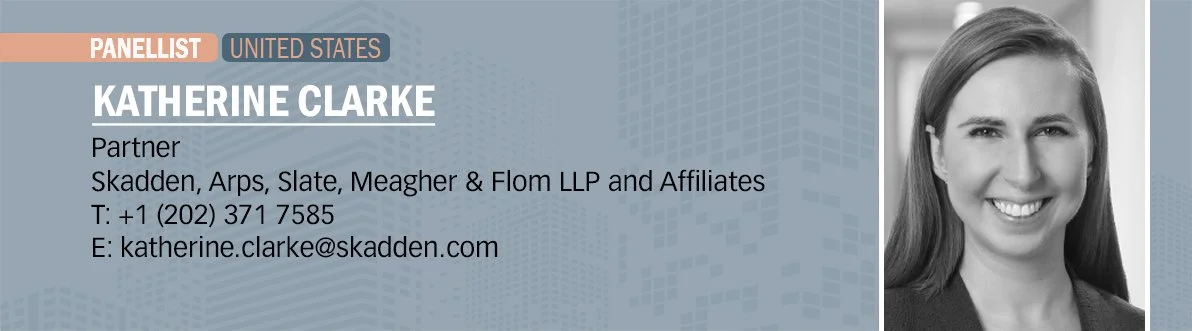
Katherine Clarke focuses on cross-border investment and national security matters, primarily involving reviews conducted by the Committee on Foreign Investment in the United States and related issues involving the Defense Counterintelligence Security Agency, export controls, cyber security and government contracting. She can be contacted on +1 (202) 371 7585 or by email: katherine.clarke@skadden.com.
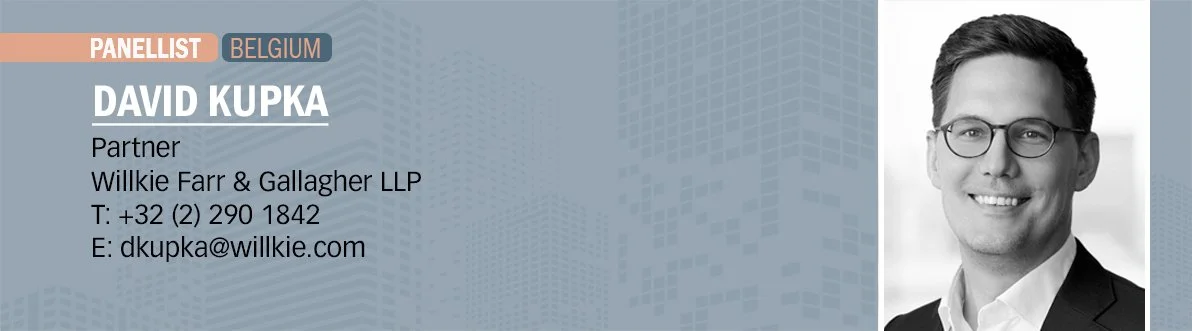
David Kupka is a partner in the antitrust & competition department of Willkie Farr & Gallagher LLP, based primarily in Brussels. He graduated from the Robert Schuman University in Strasbourg, France. His practice focuses on Belgian, French and European competition law, FDI and FSR matters. He has been working on complex antitrust and merger cases for more than a decade, building a solid track record with strong focus on delivering strategic advice and actionable pragmatic solutions to clients. He can be contacted on +32 (2) 290 1842 or by email: dkupka@willkie.com.
© Financier Worldwide
THE PANELLISTS
FRANCE
Bredin Prat SAS
UNITED KINGDOM
Herbert Smith Freehills Kramer LLP
GERMANY
Linklaters LLP
AUSTRALIA
McCullough Robertson Lawyers
UNITED STATES
Skadden, Arps, Slate, Meagher & Flom LLP and Affiliates
BELGIUM
Willkie Farr & Gallagher LLP